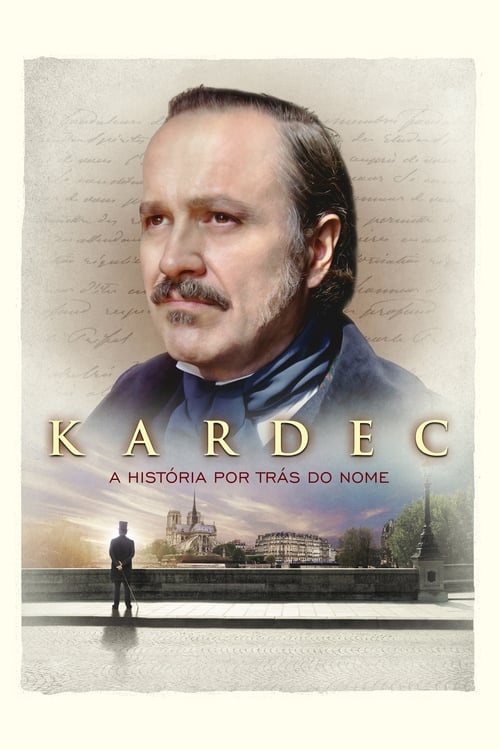
Kardec
2019
No user ratings available yet
Representation score: 3.6 out of 10

Representation Score
Minimal
2008
Director
Glauber Filho, Joe Pimentel
Runtime
75 minutes
Average Rating
No ratings yetNew Showbiz Analysis
Bezerra de Menezes: O Diário de um Espírito is a traditional biographical drama that emphasizes historical and spiritual accuracy. The film honors a specific historical figure and his religious beliefs, reflecting the social norms of the 19th century. The production does not aim to challenge or dismantle conventional social norms. Instead, it upholds established cultural, gender, and religious structures through its focus on a male-centric spiritual and medical career. While the film provides a historical depiction of a particular era in Brazilian history, it does not incorporate the multi-layered approach found in more contemporary and inclusive films. It remains firmly rooted in traditional notions of virtue and service.
Category Breakdown
The film does not include any LGBTQ+ characters or stories that go beyond the assumption that everyone is straight.
The story focuses on a male character's professional and spiritual journey. Women do not have prominent roles or significant influence in the narrative.
The film depicts the social hierarchy of 19th-century Brazil, where the protagonist helps the poor, but the casting follows traditional historical representations.
The movie highlights a specific Spiritist perspective and emphasizes traditional moral values centered around charity and religious practice.
It is unclear how characters with disabilities are portrayed. There is no indication of whether they play active roles or serve merely as plot devices.
Present on Screen
Limited or Absent
Official Synopsis
The film follows the life of the doctor Menezes (Carlos Vereza), known as the doctor of the poor.
2019

2020

2014

2021

2009
2005

2018

1989
No reviews yet. Be the first to share your thoughts on this movie!
Use the rating form above to leave a star rating and optional review.