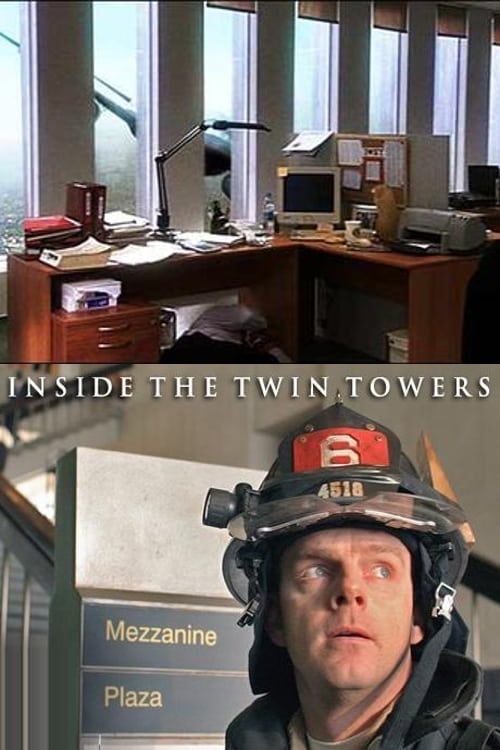
9/11: The Twin Towers
2006
No user ratings available yet
Representation score: 3.6 out of 10
Representation Score
Good
2003
NRDirector
Robert Port, Bill Guttentag
Runtime
34 minutes
Average Rating
No ratings yetNew Showbiz Analysis
Twin Towers is a poignant exercise in historical empathy that uses animation to honor the diverse voices caught in a moment of systemic collapse. Its primary strength lies in reflecting the actual demographic complexity of New York City, avoiding a homogeneous portrayal of the tragedy. However, the film's structure is designed for memorialization rather than social critique. This results in a representation style that is authentic to the subject matter but conservative in its thematic scope, as it does not engage in the deliberate subversion of traditional institutions. Ultimately, the documentary avoids harmful stereotypes by focusing on the shared human condition. It prioritizes the gravity of the event and the preservation of life over the exploration of specific identity politics.
Category Breakdown
The film focuses on the universal human response to a mass casualty event. It does not explicitly center LGBTQ+ narratives or non-straight relationships.
The documentary incorporates voices from both male and female responders and civilians. It presents gender through the lens of professional duty and shared vulnerability.
Animated reconstructions accurately reflect New York City's demographic tapestry. The film includes Black, Hispanic, and Asian individuals, ensuring victims and responders are not a monolith.
The narrative operates within a framework of communal solidarity and traditional heroism. It focuses on civic duty rather than anti-Western or anti-capitalist critiques.
The film centers on the physical and psychological trauma of the attacks. It does not explicitly feature neurodivergence or visible disabilities as primary narrative drivers.
Present on Screen
Limited or Absent
Official Synopsis
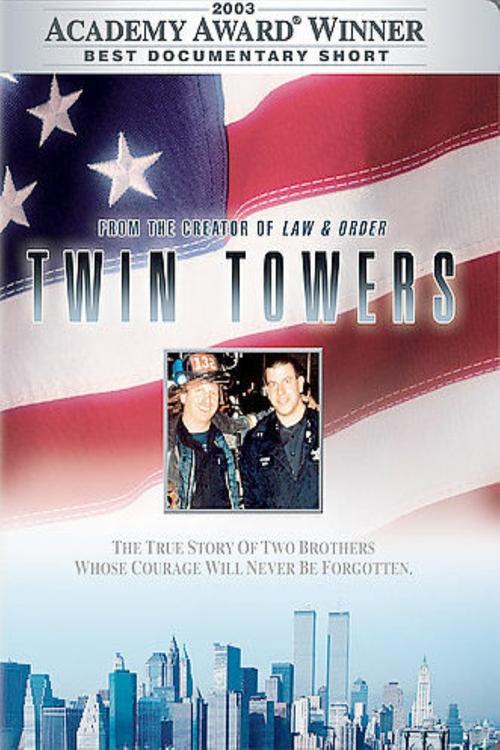
Winner of the 2002 Oscar for Best Documentary Short Subject, this film chronicles the aftermath of the terrorist attacks on the World Trade Towers. Filmmakers Bill Guttentag and Robert David Port joined Harlem police as they arrived at the chaotic scene after jet airplanes had struck the two buildings. The film captures the harrowing reality of the attacks as the officers cope with disbelief and fear while remaining focused on saving lives.
2006

2002
2008
2002
2012
2002
2019
2011
No reviews yet. Be the first to share your thoughts on this movie!
Use the rating form above to leave a star rating and optional review.