
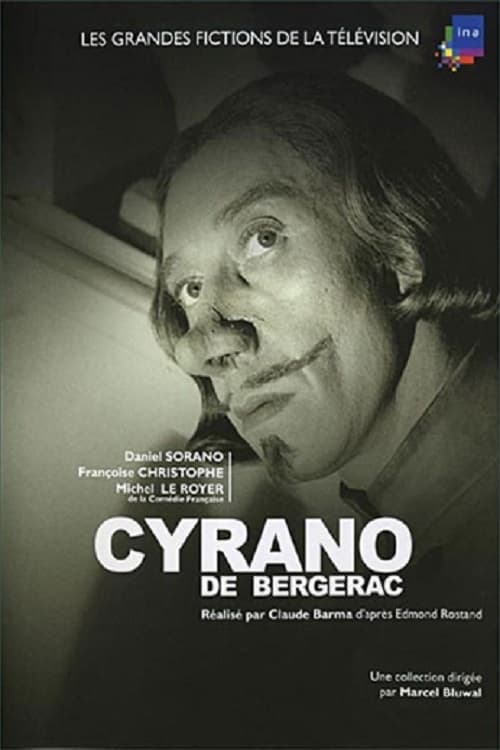
Cyrano de Bergerac
1950
No user ratings available yet
Representation score: 2.4 out of 10
Representation Score
Minimal
1960
Director
Claude Barma
Runtime
160 minutes
Average Rating
No ratings yetNew Showbiz Analysis
Claude Barma's adaptation is a traditional period piece that upholds 17th-century dramatic conventions. The narrative architecture reinforces the social hierarchies of its time. The film offers a nuanced psychological study of a protagonist with a physical difference but lacks depth in exploring diverse identities. Ultimately, the work celebrates classical heroism and romantic devotion, offering little disruption to the historical or gendered norms of its setting.
Category Breakdown
The film follows traditional romantic structures and does not depict non-cisgender identities. The central conflict revolves around a classic love triangle involving Cyrano, Roxane, and Christian.
Roxane is mainly portrayed as an object of desire rather than an independent agent. The plot emphasizes male interactions and traditional gender roles.
The cast is uniform, reflecting the historical context of 17th-century France. The film does not include diverse ethnic perspectives or use color-blind casting.
The movie highlights traditional Western values such as honor and chivalry. It focuses on individual heroism and aristocracy without addressing systemic oppression or moral relativism.
Cyrano's physical deformity drives the narrative and acts as a barrier to intimacy. Despite his appearance, he maintains significant intellectual ability to act and heroism.
Present on Screen
Limited or Absent
Official Synopsis
In love with Roxane, who is herself in love with the youngest son of Gascony, Christian de Neuvilette, Cyrano dictates his words of love to the young man. But the Count de Guiche, an unhappy rival, takes revenge by sending Christian and Cyrano to the siege of Arras.
1950
1990

1974

1945

1983

2021

2008

1982
No reviews yet. Be the first to share your thoughts on this movie!
Use the rating form above to leave a star rating and optional review.