
Meet Monica Velour
2010
No user ratings available yet
Representation score: 4.4 out of 10
Representation Score
Fair
2002
RDirector
David Michael Latt
Runtime
93 minutes
Average Rating
No ratings yetNew Showbiz Analysis
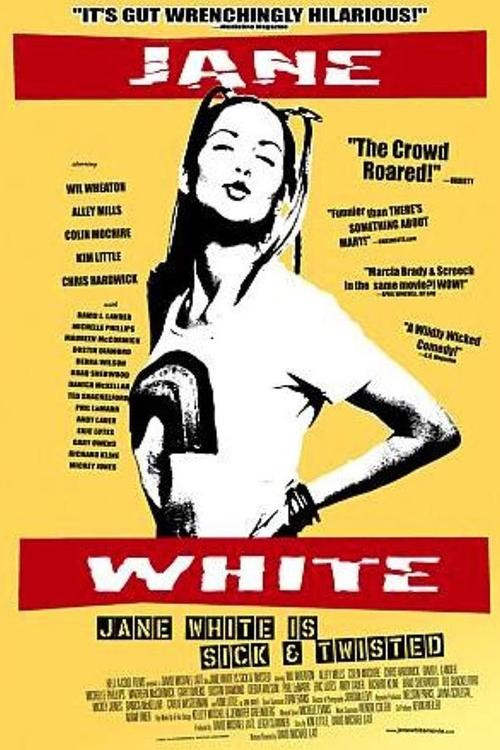
The film opens with a grainy, faux-nostalgic title sequence that frames Jane White’s life as a television program, immediately selling the idea that reality is mediated by the screen. Jane, a teenager obsessed with becoming a TV star, believes talk show host Gerry King is her father and embarks on a chaotic road trip to confront him. The narrative treats her delusion not as a tragedy but as a comedic engine, with the camera loving her manic energy while mocking the suburban normalcy she flees. Her mother, an agoraphobic housewife, represents the stifling domesticity Jane rejects, while her boyfriend Dick is a bumbling foil who never challenges her agency. The film’s argument is that media obsession is a form of rebellion against a hollow suburban life, but it never fully commits to this critique. The ending leaves Jane alive but ambiguous, having survived the "sick" narrative without a clear moral victory. The last image is not triumphant but messy, reflecting the film’s low-budget, indie-comedy aesthetic. The sold meaning is that authenticity lies in rejecting traditional family and career paths, even if the path is chaotic and undefined. The film’s contradictions lie in its mild satire; it critiques media and family but does not offer a strong alternative, leaving Jane’s journey as a series of comedic misadventures rather than a profound statement. The camera likes Jane for her chaos, but the film’s internal logic remains thin, relying on character quirks rather than structural critique.
Category Breakdown
Jane disguises herself as a transvestite prostitute to secure a bus ticket, meeting Barney in the process. The opening song lists 'lesbian' as a TV persona, but no same-sex romance is depicted. The trans identity functions as a plot device rather than a lived experience.
Jane drives the narrative through her TV obsession and chaotic road trip. Her mother represents stifling domesticity, while male characters like Dick and Gerry serve as comic foils. The film treats male incompetence as a backdrop for Jane’s agency.
The cast is predominantly white, reflecting the suburban indie-comedy setting. Chi-Chi, a minor character played by a Black actor, speaks with a distinct dialect. Non-white characters remain peripheral with no exploration of racial dynamics.
The film satirizes television culture and suburban conformity, framing Jane’s delusion as a critique of media obsession. Family dynamics are strained, with the mother scolding Jane’s TV addiction. The critique is mild, focusing on media consumption rather than systemic issues.
No characters are depicted with physical or mental disabilities. The title’s 'sick' is metaphorical, referring to Jane’s psychological state and media obsession. Disability is absent from the narrative and on-screen inventory.
Present on Screen
Limited or Absent
Official Synopsis
For Jane White, life itself is a television program, and she dreams of becoming a star on the small screen. Convincing herself that Gerry King, a popular talk show host, is her birth father, she sets out on an adventurous road trip — aided by her equally looney boyfriend, Dick — to confront her "father" on the air, and, just maybe, make a splash on reality television.
2010
2003
2002

2007

2011
1998
2006
1997
No reviews yet. Be the first to share your thoughts on this movie!
Use the rating form above to leave a star rating and optional review.