Dummy
2002
No user ratings available yet
Representation score: 2.4 out of 10
Representation Score
Fair
2003
Director
Morten Tyldum
Runtime
104 minutes
Average Rating
No ratings yetNew Showbiz Analysis
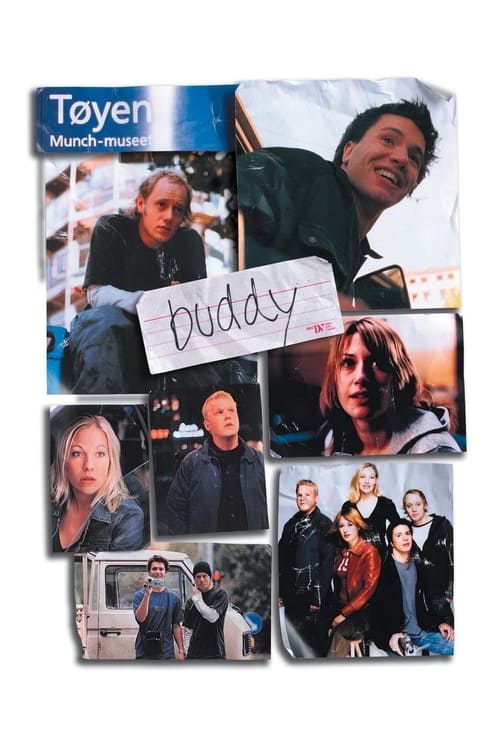
Buddy is a localized character study centered on the pursuit of fame and the bonds of friendship. The narrative follows a conventional early-2000s trajectory, focusing on a male protagonist’s journey through personal loss and sudden public success. The film reflects the demographic norms of its specific time and place, prioritizing a traditional storytelling structure. While it avoids rigid moralizing by embracing a chaotic, stunt-driven culture, it lacks complexity in reflecting multiple aspects of identity. Ultimately, the film functions as a product of its specific geographic context, emphasizing individualistic triumph over systemic critique or diverse representation.
Category Breakdown
The story follows a traditional romantic relationship between Kristoffer and Elisabeth. There is no evidence of LGBTQ+ identities or critiques of the assumption that everyone is straight or cisgender.
The film focuses on a male protagonist and his male friends. While Elisabeth drives the emotional storyline, the overall narrative emphasizes male camaraderie and celebrity.
Set in Oslo, the film portrays a predominantly white social circle. It lacks a multi-ethnic cast or the integration of diverse ethnic perspectives.
The narrative explores modern celebrity and a secular lifestyle. It prioritizes an individualistic, anti-authoritarian spirit over traditional religious or institutional morality.
No visible or invisible disabilities are central to the character arcs or the progression of the plot.
Present on Screen
Limited or Absent
Official Synopsis
Kristoffer lives in Oslo with his friends Geir and Stig Inge. He works as a billboard installer, and in his spare time he makes a video diary with Geir and Stig, containing stunts of a Jackass-nature. When Kristoffer's girlfriend, Elisabeth, leaves him, his life seems to fall to pieces. Until his videos are featured on Norway's most popular talk show and Kristoffer becomes famous.
2002
2000

2013
2005

2004
2000

1998
2009
No reviews yet. Be the first to share your thoughts on this movie!
Use the rating form above to leave a star rating and optional review.