
Sheer Passion
1998
No user ratings available yet
Representation score: 2.0 out of 10
Representation Score
Limited
1992
RDirector
Danny Vendramini
Runtime
107 minutes
Average Rating
No ratings yetNew Showbiz Analysis
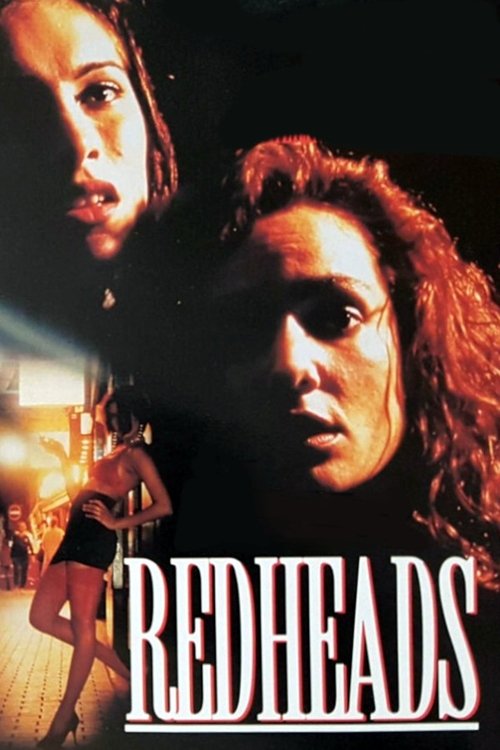
Redheads opens with the intimate, vulnerable image of a woman recording her private life, a moment that immediately shifts from personal autonomy to public scrutiny. The film’s argument is straightforward: in a system designed to manage and silence women, female competence and solidarity are the only viable defenses. Lucy, the "forward" woman who takes the lead in her own life, is framed not as a suspect to be managed but as a victim to be protected, a distinction that drives the narrative’s moral logic. The pictures consistently favor the women. Diana Ferraro, the public defender, is not a token ally but a competent partner who matches Lucy’s wit and determination. In contrast, the male authorities—Inspector Quigley and the prison warden—are portrayed as either inept or rigid, their institutional power rendered ineffective by the women’s refusal to be cowed. The camera lingers on the women’s interactions, treating their bond as the film’s emotional and intellectual core, while the men remain peripheral obstacles. The film’s internal logic is consistent: it does not seek to reform the system from within but to navigate it through individual resilience. The ending, which affirms the women’s liberation and mutual support, serves as the moral verdict. It is a clear, if somewhat conventional, statement that female agency is the antidote to institutional indifference. The film does not shy away from the harshness of the system but frames the women’s survival as a triumph of character over circumstance.
Category Breakdown
No queer presence. The narrative relies exclusively on heterosexual dynamics, with Lucy’s sexual agency directed solely toward a male partner.
Women drive the plot and hold the moral center. Lucy survives the crime while Diana provides legal competence; male figures remain peripheral or obstructive.
The cast is entirely white, reflecting the specific Australian demographic of the era without addressing racial dynamics. No non-white characters appear in significant roles.
The film critiques institutional authority and male-dominated legal structures. Police and prison officials are portrayed as rigid or inept, while the female protagonists use subjective morality to survive.
No characters with physical, sensory, or cognitive impairments are depicted. The narrative does not engage with disability as a theme, identity, or social issue.
Present on Screen
Limited or Absent
Official Synopsis
Lucy is apparently very confident, and quite "forward," as the saying used to be; she has made all the moves to pick up a staid lawyer-type for sex. Once back at her apartment, she sets a video camera going to record their coupling. However, someone breaks into the place while they are having at it, and she is barely able to leave the bed and hide before her sex-partner is killed. She never sees the intruder's face herself. In the aftermath, the terrified lass finds herself with a sympathetic female state-appointed attorney (since she's the obvious suspect) and together, they try to track down the murderer.
1998

1986
1992
1971

1988
1994
2001
1980
No reviews yet. Be the first to share your thoughts on this movie!
Use the rating form above to leave a star rating and optional review.