
Temptation Summary
1990
No user ratings available yet
Representation score: 2.2 out of 10
Representation Score
Limited
1990
Director
Wong Jing
Runtime
92 minutes
Average Rating
No ratings yetNew Showbiz Analysis
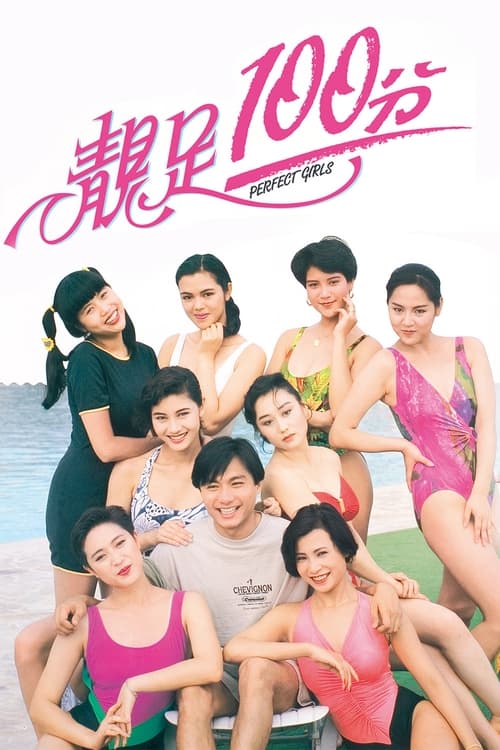
Perfect Girls is a typical commercial comedy that reinforces traditional social hierarchies. The plot relies on established character types, such as the shy hero and the virtuous maiden, rather than challenging them. The film prioritizes populist entertainment and slapstick humor over sociological depth, operating within a conventional framework where the pursuit of wealth and the preservation of family lineage drive the comedic conflict. Ultimately, the narrative lacks complexity in addressing multiple aspects of identity, functioning as a product of its time and upholding traditional gender roles and social structures.
Category Breakdown
The film focuses entirely on heterosexual relationships. There are no queer narratives, and the central conflict revolves around a traditional marriage requirement to secure an inheritance.
Women in the film primarily serve as objects of desire or tools for deception. They lack independent ability to act outside of their relationships with the male lead.
The casting is ethnically homogeneous, reflecting the local Hong Kong demographic. The film maintains a traditional, localized perspective without incorporating diverse casting.
The story is rooted in traditional capitalist and familial structures. It emphasizes the importance of the nuclear family and wealth preservation through lineage.
There is no mention of characters with visible or invisible disabilities. The narrative does not address neurodivergence or physical disabilities.
Present on Screen
Limited or Absent
Official Synopsis
On his death bed in the United States Mr. Lin grants his grandson, Lin Tien-Chi, his wealth of US$300 million, but only if Tien-Chi can find a wife within a month. Tien-Chi, however, is very shy and has never had any luck with the opposite sex. Mr. Lin's nephew, Robert, who will get the money should Tien-Chi fail, does everything in his power to prevent Tien-Chi from marrying. In the end, Tien-Chi has two women to choose from: Feng Mu-Jen, who is deceiving him to help Robert get the money, and Lo Hsiao-Hsiao, a beautiful poor girl who is set up time and again by Robert and Mu-Jen so that Tien-Chi will not choose her.
1990

1993
2013

1978
1984

1981
1993
2008
No reviews yet. Be the first to share your thoughts on this movie!
Use the rating form above to leave a star rating and optional review.