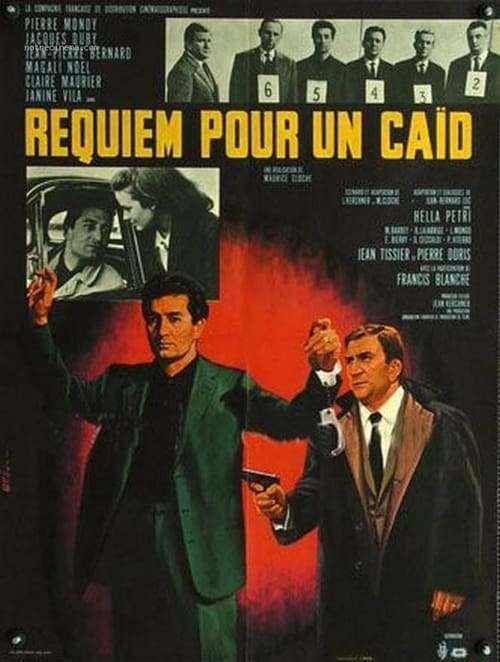
Requiem pour un caïd
1964
No user ratings available yet
Representation score: 2.3 out of 10
Representation Score
Limited
1957
Director
Henri Decoin
Runtime
73 minutes
Average Rating
No ratings yetNew Showbiz Analysis
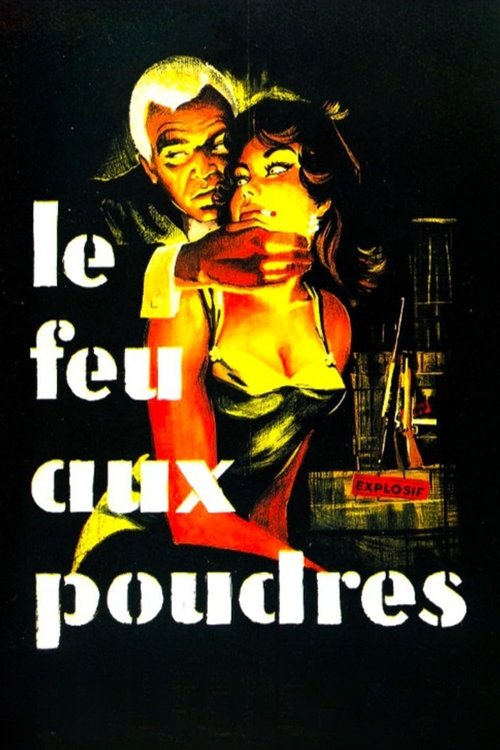
Burning Fuse functions as a conventional mid-century crime drama that prioritizes genre clichés over diverse representation. The plot centers on a sting operation involving an arms dealer, a painter, and a deceptive wife. While the film features a female protagonist, her role remains tied to traditional romantic dynamics. The social landscape depicted is largely homogeneous, reflecting the era's standard cinematic norms without attempting to challenge established hierarchies. Ultimately, the film adheres to the stylistic and narrative expectations of 1950s French noir, offering little in the way of progressive representation or social critique.
Category Breakdown
The film does not include any LGBTQ+ characters or stories about non-cisgender identities. The main conflict revolves around a traditional romantic relationship between a married woman and a younger man.
Lola is the central character, but her role is tied to romantic complications and traditional domestic life. The film follows mid-century gender norms and crime genre clichés.
The cast appears to represent the homogeneous society typical of 1950s French crime dramas. There is no indication of a diverse or multicultural cast.
Themes of criminality and deception serve as genre-driven plot devices without deeper critiques of societal structures. The narrative lacks anti-establishment or anti-Western frameworks regarding religion or capitalism.
There is no mention of characters with visible or invisible disabilities. The narrative does not explore disability or systemic cultural critiques.
Present on Screen
Limited or Absent
Official Synopsis
Lola, the wife of arms dealer Pedro Wassewich, is attracted to Ludovic, a young painter who turns out to be the emissary of a notorious gangster. He claims to have been sent by the latter to pick up a shipment. In fact, it's the police who, behind the scenes, orchestrate the operation to catch Wassewich red-handed.
1964
1972
1958
1971
1949
1949
1955
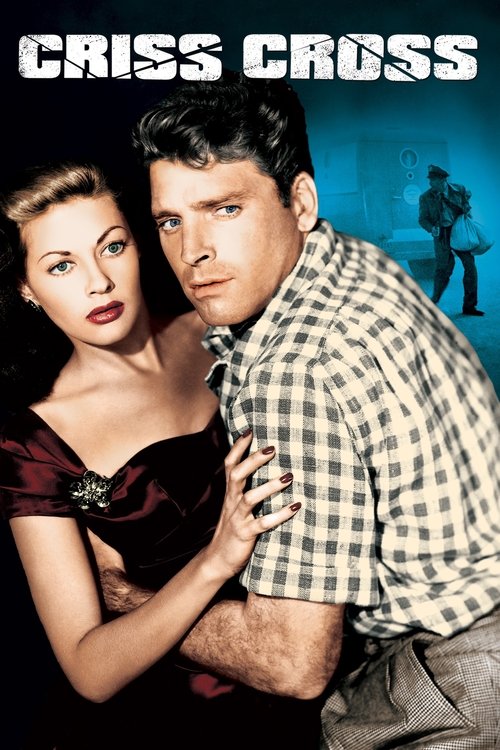
1949
No reviews yet. Be the first to share your thoughts on this movie!
Use the rating form above to leave a star rating and optional review.