Sinners of Paris
1958
No user ratings available yet
Representation score: 2.2 out of 10
Representation Score
Limited
1964
Director
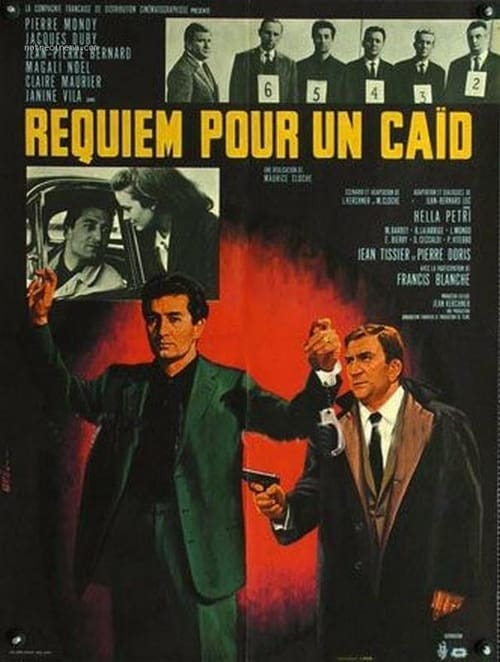
Maurice Cloche
Runtime
94 minutes
Average Rating
No ratings yetNew Showbiz Analysis
Maurice Cloche’s crime drama is a product of its 1964 cinematic era, relying heavily on established genre clichés. The film focuses on a traditional power struggle between a police officer and a criminal kingpin, reinforcing mid-century social hierarchies. Representation is limited by the film's adherence to conventional structures. Women are present but have little ability to act, serving the interests of male protagonists and antagonists, while the cast appears ethnically homogeneous. Ultimately, the work functions as a standard procedural. It lacks the intentionality to disrupt social norms, instead reflecting the era's focus on institutional authority and gendered exploitation.
Category Breakdown
The film does not include any characters with LGBTQ+ identities or stories that challenge traditional gender norms.
Women such as Eva and Jeannette play important roles but primarily serve as instruments within a male-driven criminal economy. The power dynamics remain centered around male authority figures.
The film depicts a homogeneous social environment typical of mid-century European crime cinema. There is no indication of a diverse or multi-ethnic cast.
The story examines systemic corruption within established legal structures, adhering to conventional genre morality rather than challenging Western institutional norms.
The film contains no characters with visible or invisible disabilities.
Present on Screen
Limited or Absent
Official Synopsis
Police officer Antoine Delille is in charge of putting an end to the activities of a "kingpin", Jo Pinelli, trafficker, racketeer and pimp. He has three women working for him, including Eva and Jeannette, and is currently "conditioning" a charming, naive Orly employee, with whom he poses as an honorable businessman. Inspector Delille's plan is to arrest Jo for some crime and, while he's being held at the P.J., to delve into his other criminal activities and confound him.
1958
1971
1957
1972
1955
1949

1966
1966
No reviews yet. Be the first to share your thoughts on this movie!
Use the rating form above to leave a star rating and optional review.