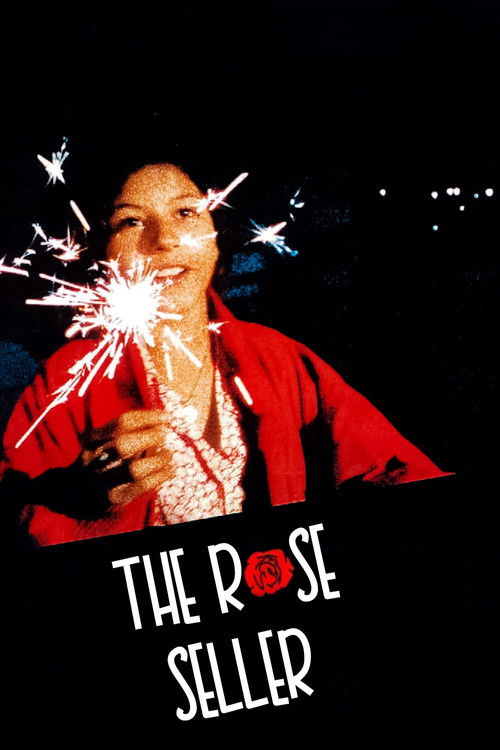
The Rose Seller
1998
No user ratings available yet
Representation score: 8.4 out of 10
Representation Score
Good
1990
Director
Víctor Gaviria
Runtime
92 minutes
Average Rating
No ratings yetNew Showbiz Analysis
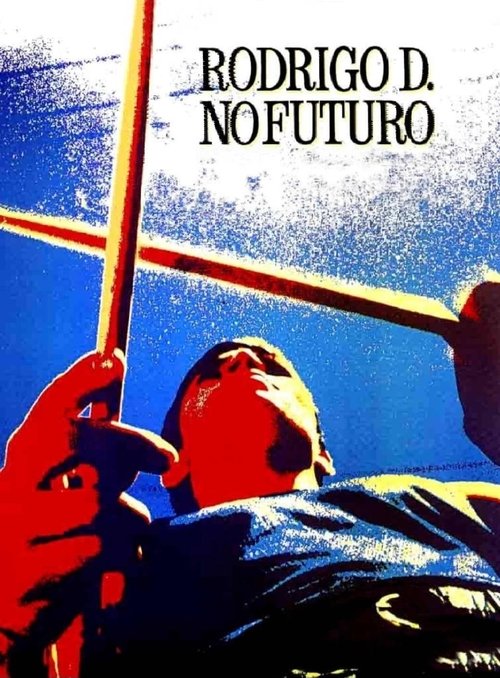
Víctor Gaviria’s work is a landmark of Colombian neo-realism that prioritizes the lived experiences of the disenfranchised. By using non-professional actors, the film achieves a gritty, localized realism that challenges conventional cinematic perspectives. The film's primary strength lies in its systemic critique. It dismantles idealized social orders by emphasizing the disconnect between underrepresented youth and ineffective state institutions. This provides a nuanced examination of identity within a decaying landscape. However, the film's social scope is narrow. It lacks representation for LGBTQ+ identities and fails to give meaningful roles to female characters, remaining confined to a hyper-masculine, survivalist framework.
Category Breakdown
The film focuses on aggressive, hyper-masculine social structures within Medellín's urban periphery. There are no visible queer narratives or non-cisgender identities represented.
The narrative centers almost exclusively on male characters and their alienation within punk culture. Female characters are peripheral and have little influence or control over their circumstances.
Gaviria excels by highlighting the unique ethnic textures of Medellín’s hillside neighborhoods. Casting local youths provides an authentic representation of the often-overlooked socioeconomic strata.
The film offers a profound critique of systemic inequality and the failure of traditional institutions like the state and religion. It adopts a nihilistic, post-colonial perspective.
The film does not center on specific disabilities. Instead, it portrays widespread psychological trauma and mental health struggles as environmental symptoms of urban decay and violence.
Present on Screen
Limited or Absent
Official Synopsis
Rodrigo and his friends, restless teenagers from the marginalized neighborhoods on the hillsides of Medellín, spend their time causing trouble. But Rodrigo dreams of playing rock music and brings his friends together to form a punk band that becomes a lifeline amid a web of disorientation, violence, drugs, and fear.
1998
1972
1995
1980
1986
2000
1981
1966
No reviews yet. Be the first to share your thoughts on this movie!
Use the rating form above to leave a star rating and optional review.