
The Lady Bird Diaries
2023
No user ratings available yet
Representation score: 6.3 out of 10
Representation Score
Excellent
2021
Director
Anna Muylaert, Lô Politi
Runtime
80 minutes
Average Rating
No ratings yetNew Showbiz Analysis
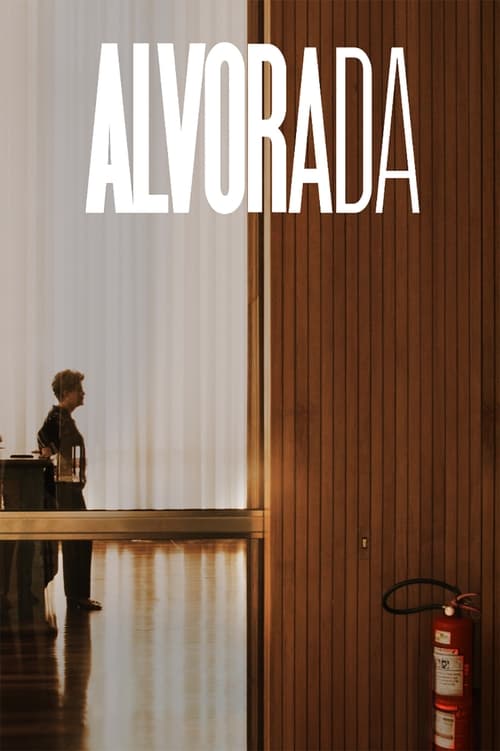
Alvorada is a sophisticated documentary that exposes the hidden nature of domestic labor and the fragility of political institutions. It excels by highlighting the intersection of race, class, and gender within the Brazilian political system. The film’s strength lies in its critique of systemic economic disparities. By examining the daily operations within the Palácio do Alvorada, it challenges conventional political archetypes and hierarchical structures. However, the film lacks substantial representation of LGBTQ+ identities and disabilities. These areas are not addressed as the narrative focuses on political and class-based conflicts.
Category Breakdown
The documentary does not prominently feature LGBTQ+ stories or characters with diverse gender identities. However, it maintains a neutral stance without actively excluding or demeaning LGBTQ+ individuals.
The film challenges traditional male-dominated political storytelling by focusing on the experiences of women. It highlights the emotional and logistical efforts of women in high-stakes political environments.
The film examines Brazil’s social hierarchy by contrasting grand architecture with the presence of Black and working-class individuals. It addresses the historical neglect of people of color.
The narrative questions the stability of Western-style institutions and capital. It depicts the domestic service industry as a place where systemic exploitation occurs and traditional authority is fragile.
The film does not specifically address neurodivergence or physical disabilities. Its focus remains on political and class-based dynamics.
Present on Screen
Limited or Absent
Official Synopsis
The film narrates, from an intimate point of view, the daily life of President Dilma Rousseff in her official residence, the Palácio do Alvorada, while awaiting the verdict of the impeachment process. Portraying the hallways of the palace, designed by Oscar Niemeyer, we see the coming and going of political meetings, the daily routine of the kitchen, the exchange of guards, whispers and phone calls. We feel the growing tension of officials, advisers and former ministers.
2023
2019

2018

2020

2017

2011

1993
2021
No reviews yet. Be the first to share your thoughts on this movie!
Use the rating form above to leave a star rating and optional review.