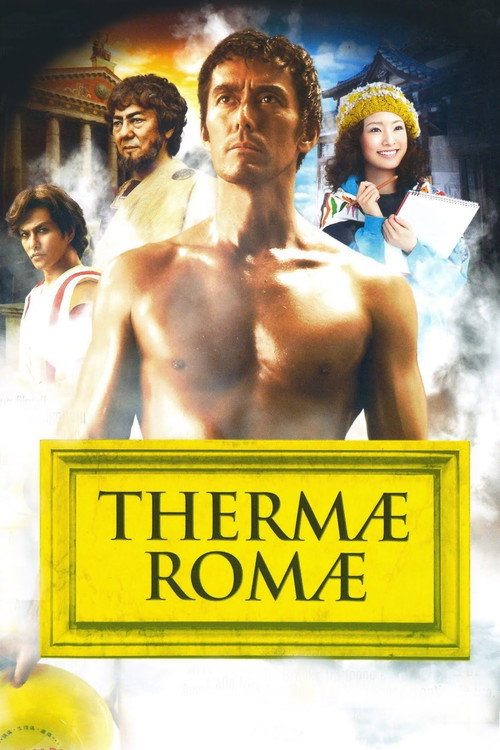
Thermae Romae
2012
No user ratings available yet
Representation score: 3.9 out of 10
Representation Score
Fair
2014
PG-13Director
Hideki Takeuchi
Runtime
112 minutes
Average Rating
No ratings yetNew Showbiz Analysis
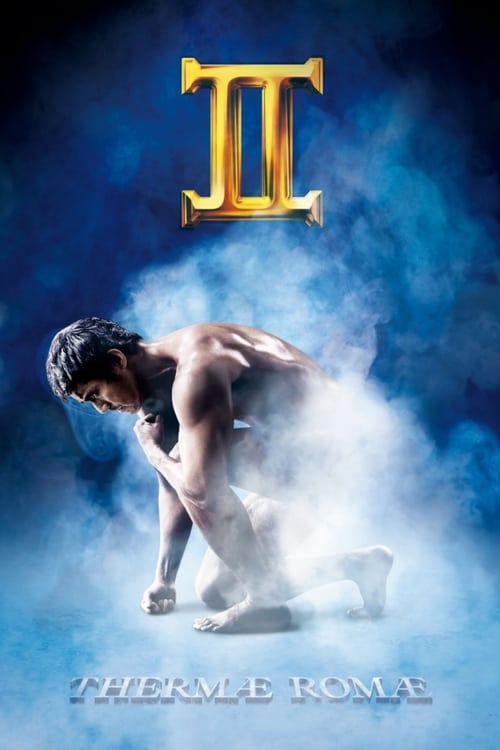
Thermae Romae II is a cross-cultural comedy that uses a time-slip narrative to connect ancient Roman and modern Japanese values. By presenting Western antiquity through an Eastern lens, the film dismantles traditional historical grandeur. The narrative emphasizes cultural displacement and architectural themes over identity politics. While it does not feature explicit LGBTQ+ representation, it steers clear of conventional romantic clichés, focusing instead on professional and comedic interactions. Overall, the film offers a balanced approach to diversity by questioning monolithic historical perspectives and showcasing a non-Western viewpoint on the Roman world.
Category Breakdown
The film highlights the professional relationship between Lucius and Manami, avoiding typical romantic storylines to focus on cultural exchange and architectural innovation.
Manami is portrayed as a professional journalist with strong ability to act. The film also examines the political power struggle between the Emperor and the Senate.
The story places a Roman protagonist in modern Japan, disrupting Western-centric historical narratives. It uses a stylized 'flat-faced Japanese tribe' to highlight ethnic differences.
The film contrasts diplomatic efforts with imperialist aggression, framing the bathhouse as a communal space that challenges rigid social structures.
There are no prominent depictions of physical or neurodivergent disabilities that drive the plot or serve as central character arcs.
Present on Screen
Limited or Absent
Official Synopsis
In ancient Rome, bathhouse architect Lucius (Hiroshi Abe) becomes famous with designing the original "thermae" (bathhouse). He receives an order to build a thermae in the colosseum to help gladiators recover from their wounds, but faces difficulties. Thus, Lucius travels again to modern day Japan through the time slip. He meets Manami (Aya Ueto) again, who is now a reporter for a magazine which covers bathroom. With the help of the flat face Japanese tribe, Lucius again designs a new thermae. Meanwhile, Emperor Hadrian (Masachika Ichimura) wants to keep the peace with the thermae, but the Senate wants to extend the land by using force. Emperor Hadrian and the Senate now have a confrontation and Rome becomes divided.
2012

1964
1960
1985
1994

2025
1972
1982
No reviews yet. Be the first to share your thoughts on this movie!
Use the rating form above to leave a star rating and optional review.