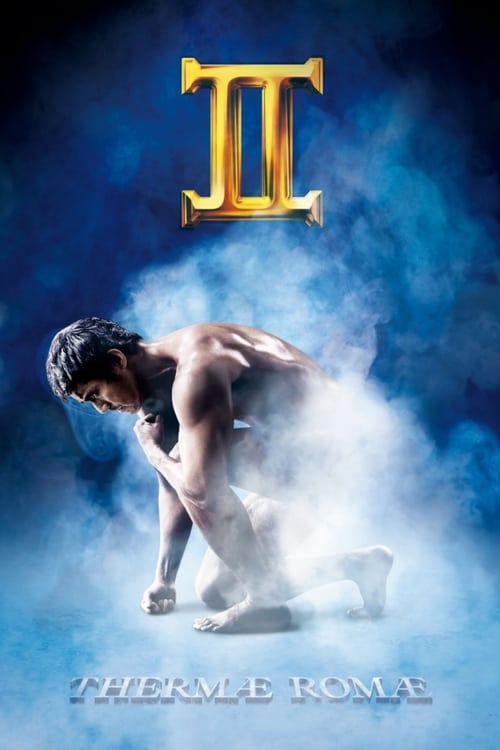
Thermae Romae II
2014
No user ratings available yet
Representation score: 5.1 out of 10
Representation Score
Limited
2012
PG-13Director
Hideki Takeuchi
Runtime
108 minutes
Average Rating
No ratings yetNew Showbiz Analysis
Thermae Romae distinguishes itself through its unique cross-cultural architecture, using a time-travel device to bridge Mediterranean and East Asian traditions. This blend of diverse cultural identities through shared human rituals sets the film apart from typical period dramas. However, the film remains socially conservative in other respects. It lacks engagement with LGBTQ+ identities and upholds traditional gender hierarchies, where women often support the protagonist's journey. Ultimately, the film is a study in cultural curiosity rather than a deep critique of societal norms. It successfully disrupts historical silos through its 'fish-out-of-water' premise, even if it avoids more profound social or political challenges.
Category Breakdown
The film centers on Lucius's professional challenges and cultural exploration. It doesn't include explicit representations of non-straight identities or stories that question the assumption that everyone is straight.
Gender dynamics follow typical comedic structures. Women play various social roles but mainly serve as contrasts to the protagonist's architectural goals.
The narrative breaks Western-centric historical clichés by connecting Ancient Rome with modern Japan. This cross-cultural interaction provides a nuanced view of how different cultures influence each other.
The story emphasizes universal human rituals over strict religious practices. Cultural curiosity is explored through leisure and innovation rather than institutional norms.
There is no notable depiction of visible or invisible disabilities. Characters are defined by their professional roles and cultural backgrounds.
Present on Screen
Limited or Absent
Official Synopsis
Lucius Modestus, ancient Roman bath architect, has lost his job. The one way he can win it back is by creating a bath that nobody has seen before, and, by pure chance, ends up slipping through time to Japan in 2012. There, he discovers the wonders of Japanese bath technology, incorporating it into his own designs, but must face the challenges of the succession of the emperor, his home life, and his new hot spring-based friends, including manga artist meet-cute Mami.
2014

2004
2005
2020
No reviews yet. Be the first to share your thoughts on this movie!
Use the rating form above to leave a star rating and optional review.