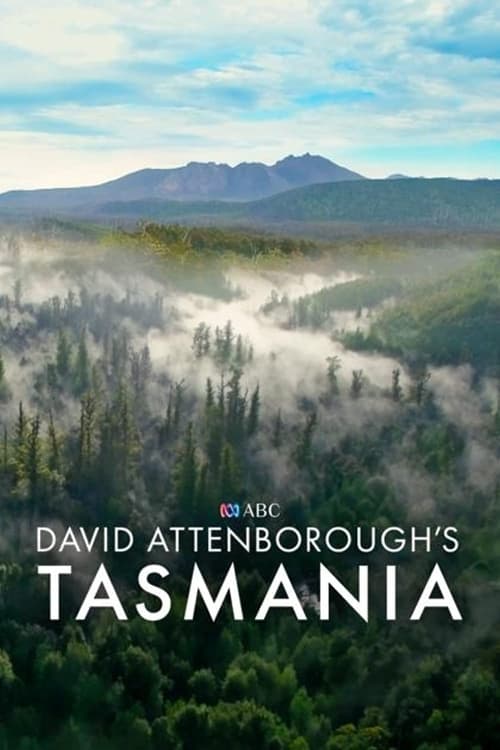
David Attenborough's Tasmania
2018
No user ratings available yet
Diversity score: 4.8 out of 10
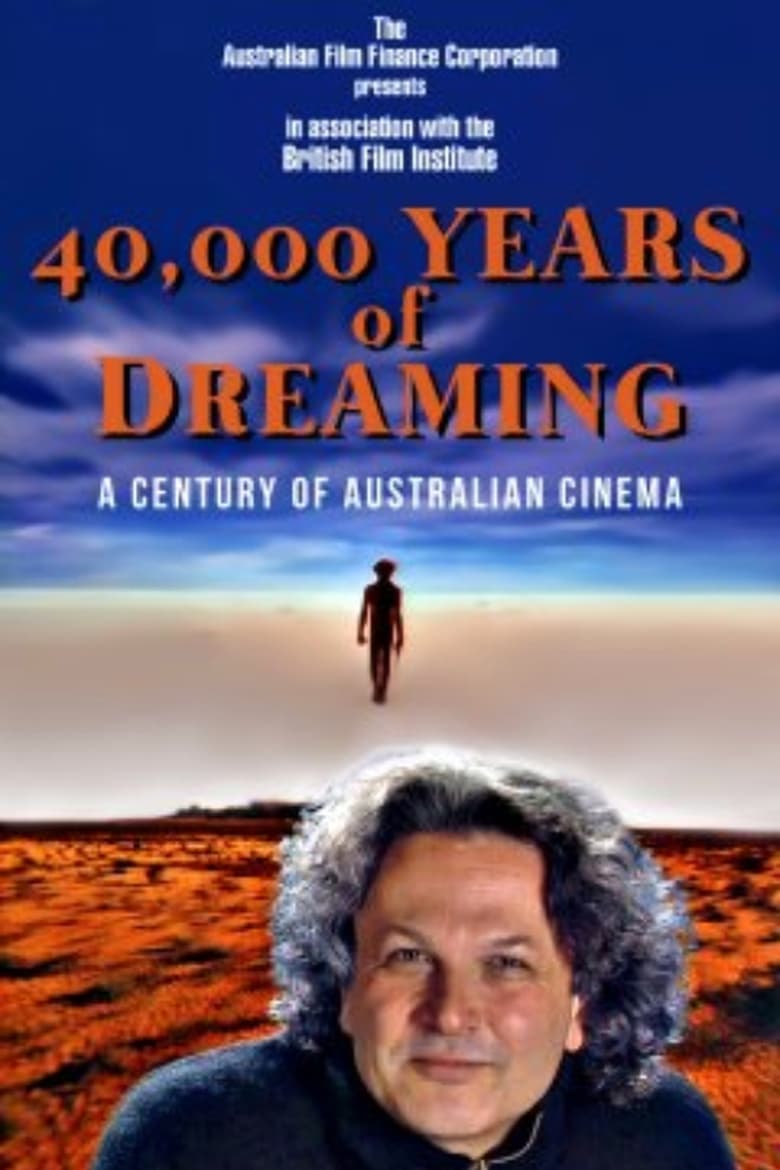
1996
Director
George Miller
Runtime
67 minutes
Average Rating
No ratings yetSynopsis
Australian-born filmmaker George Miller offers a personal view of Australian films. He suggests that they can be regarded as visual music, public dreaming, mythology, and song-lines. In extrapolating the idea of movies as song-lines he examines feature films under the following categories: songs of the land; the bushman; the convicts; the bush-rangers; mates and larrikins; the digger; pommy bashing; the sheilas; gays; the wogs; blackfellas; and urban subversion. He then concludes that these films can be thought of as "Hymns that sing of Australia."
Overall Score
Excellent
Category Breakdown
LGBTQ+ Representation
The film treats queer narratives as a fundamental pillar of the national mythos. By dedicating a specific segment to 'gays,' it elevates these identities from peripheral tropes to central components of Australia's cultural song-lines.
Gender Representation
The documentary investigates the portrayal of women through a dedicated analysis of 'the sheilas.' It examines how female identities are constructed and contested within the medium rather than reinforcing traditional domestic roles.
Racial & Ethnic Diversity
The work disrupts Anglo-centric narratives by categorizing filmic history through 'the wogs' and 'blackfellas.' It engages deeply with Indigenous epistemologies, framing non-Western perspectives as the foundational rhythm of the nation.
Religious & Cultural Diversity
Miller reframes national identity through 'urban subversion' and diverse social strata. The film moves away from singular histories toward a pluralistic understanding of culture, celebrating social outsiders and anti-authoritarianism.
Disability Representation
There is no explicit mention of disability-specific narratives or character studies. The film explores broad social identities, but specific data regarding neurodivergence or physical disability is unconfirmed.
Strengths
Areas for Improvement
AI Analysis
George Miller’s documentary offers a sophisticated, multi-vocal exploration of Australian identity. By utilizing a fragmented, categorical approach, the film avoids a monolithic history in favor of a pluralistic view that includes Indigenous, migrant, and queer voices. The work succeeds in reframing the national cinematic canon as a series of 'song-lines.' This method elevates marginalized groups from mere inclusions to essential elements of the country's cultural mythology. While the film provides deep engagement with racial and queer identities, it lacks specific focus on disability representation. However, its overall structural architecture remains a powerful critique of traditional Western hegemony.
2018
1991

2004
1979
2023

2007

1983
No reviews yet. Be the first to share your thoughts on this movie!
Use the rating form above to leave a star rating and optional review.