A Century of Science Fiction
1996
No user ratings available yet
Diversity score: 3.2 out of 10
2015
Director
Gail Willumsen
Runtime
51 minutes
Average Rating
No ratings yetSynopsis
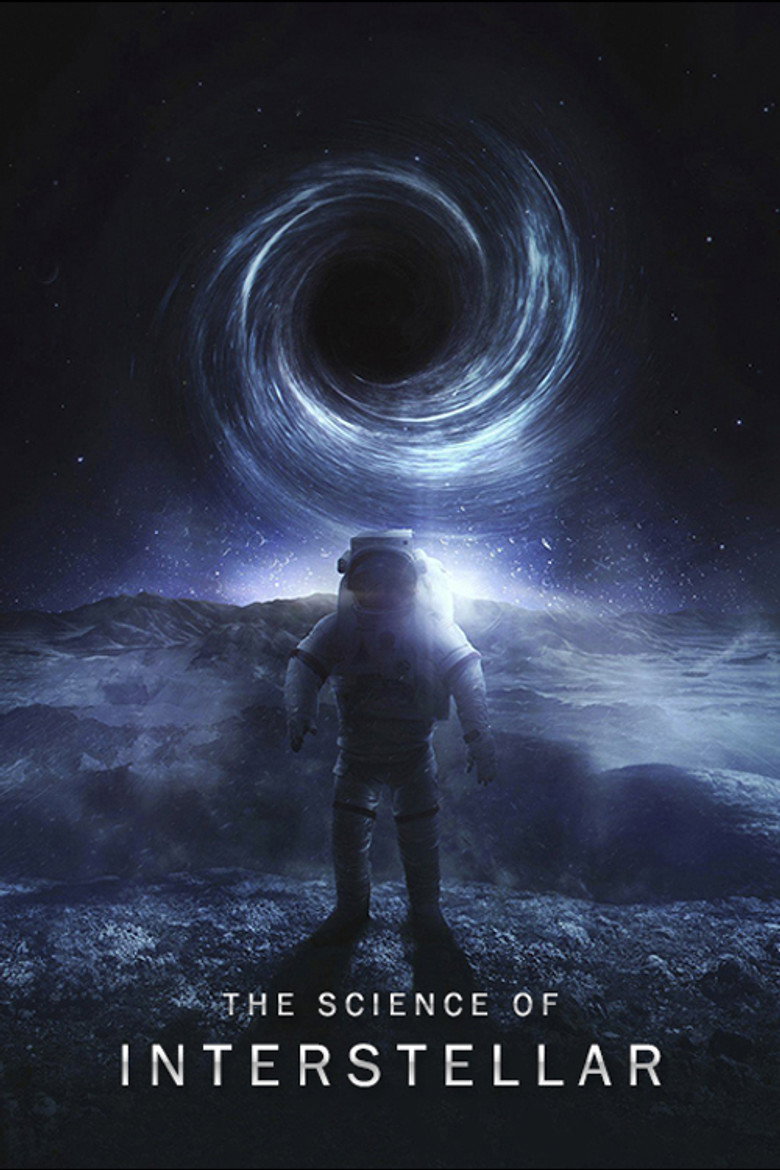
Matthew McConaughey narrates a fascinating look at Christopher Nolan's sci-fi film "Interstellar," including scientific foundations, the work of consulting Scientist Kip Thorne, basic film themes, the science behind the search for planets capable of hosting life, space-time and the theory of relativity, the science of wormholes and black holes, crafting the film's visuals based on real scientific observation, the birth of the universe, the Dust Bowl and the evolution of dust as a toxin, the likelihood of future dust storms, the prospects of escaping a dying or doomed planet and the possibilities of colonizing Mars.
Overall Score
Limited
Category Breakdown
LGBTQ+ Representation
The documentary focuses on scientific foundations like relativity and black holes. It lacks LGBTQ+ characters or narratives that critique heteronormativity, remaining strictly academic and technical.
Gender Representation
Narrated by Matthew McConaughey and featuring Kip Thorne, the film centers on physics. It does not subvert traditional gender hierarchies or explore gendered power dynamics.
Racial & Ethnic Diversity
The content examines environmental crises and planetary colonization. However, it lacks a diverse cast or a narrative designed to challenge Anglo-centric perspectives.
Religious & Cultural Diversity
The narrative prioritizes scientific empiricism and astronomical phenomena. It does not explicitly promote secularism or offer a clear critique of Western institutions.
Disability Representation
There is no evidence regarding the inclusion or portrayal of individuals with visible or invisible disabilities.
Strengths
Areas for Improvement
AI Analysis
The Science of Interstellar serves as a technical companion to Christopher Nolan's film, prioritizing scientific veracity over social commentary. Its primary goal is translating complex theoretical physics into visual media for a general audience. Because the documentary is centered on academic inquiry and the mechanics of the universe, it lacks the intentionality needed to drive progressive social narratives. The content is neutral, focusing on the scientific community and technical production details. Ultimately, the work functions as an educational supplement. It does not attempt to disrupt traditional identity hierarchies or explore intersectional themes, resulting in a low overall diversity score.
1996
2015
2012
2011
2013

2005
2001
1996
2001
2015
2017
1994
No reviews yet. Be the first to share your thoughts on this movie!
Use the rating form above to leave a star rating and optional review.