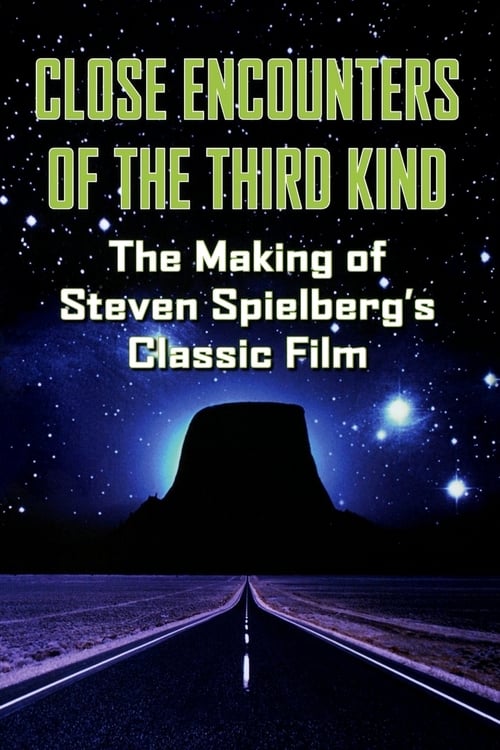
The Making of 'Close Encounters of the Third Kind'
2001
No user ratings available yet
Representation score: 2.9 out of 10
Representation Score
Fair
2013
TV-PGDirector
Cathleen O'Connell
Runtime
60 minutes
Average Rating
No ratings yetNew Showbiz Analysis
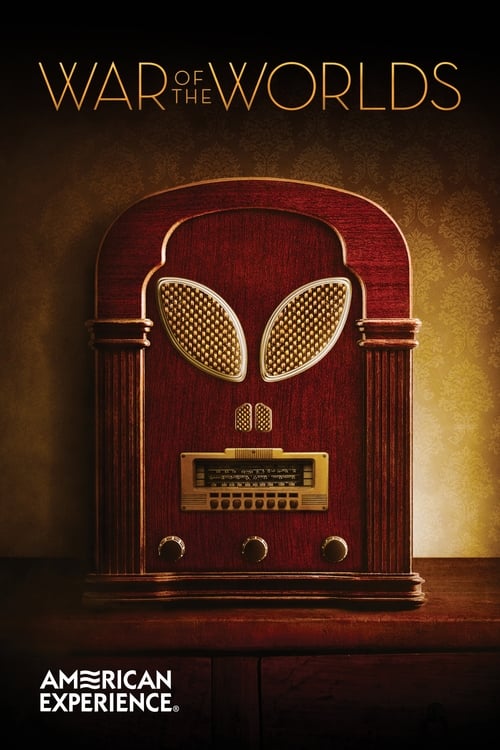
War of the Worlds (2013) serves as a sociological study of media influence rather than a vehicle for identity-driven storytelling. The film prioritizes the historical analysis of Orson Welles' 1938 radio broadcast and the resulting mass panic. Given its focus on a specific historical moment in American media history, the narrative does not intentionally engage with diverse social or personal identities. The film adheres to traditional historical documentation rather than seeking to challenge social hierarchies. Ultimately, the documentary provides a specialized account of mass communication and public perception, leaving little room for the exploration of diverse social or personal identities.
Category Breakdown
The documentary focuses on the historical mechanics of a specific media event. It does not include any LGBTQ+ characters or narratives exploring non-straight relationships.
The narrative centers on historical figures and the public reaction to the broadcast. It does not explicitly address gendered power dynamics or challenge traditional hierarchies.
The film examines a 1938 American cultural phenomenon. There is no indication of a diverse cast or efforts to highlight multi-layered racial experiences.
The film explores the disruption of social order and institutional trust. It critiques the reliability of information systems without promoting specific anti-Western ideologies.
Neurodivergence, mental health, or physical disabilities are not central themes or character drivers in this documentary.
Present on Screen
Limited or Absent
Official Synopsis
An account of Orson Welles' 1938 radio drama broadcast that inadvertently started a mass panic.
2001
2014
2005
2013
2010

2011

2000

2012
No reviews yet. Be the first to share your thoughts on this movie!
Use the rating form above to leave a star rating and optional review.