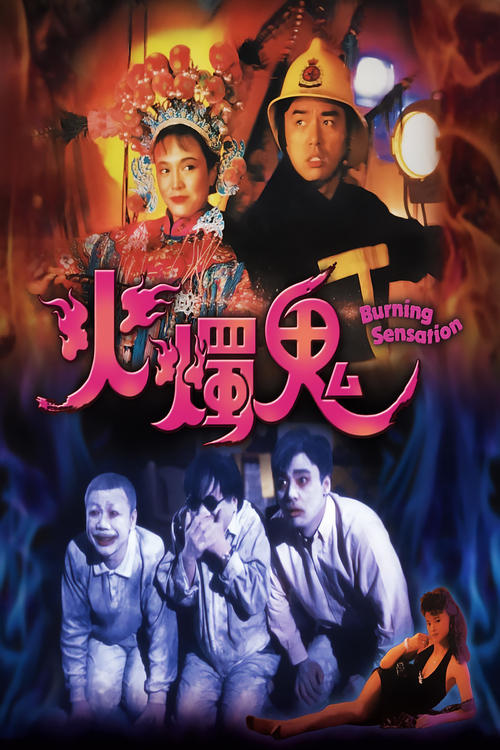
Burning Sensation
1989
No user ratings available yet
Representation score: 5.8 out of 10

Representation Score
Fair
1988
Director
Sammo Hung Kam-Bo
Runtime
95 minutes
Average Rating
No ratings yetNew Showbiz Analysis
Spooky, Spooky succeeds as a piece of folk horror by emphasizing East Asian spiritualism and local folklore. Utilizing Taoist magic as a central plot driver, the film avoids Western-centric storytelling clichés and offers a culturally specific perspective. However, the film remains tied to traditional social hierarchies. The central conflict revolves around historical patriarchal enforcement of morality, particularly regarding adultery, which limits the narrative's progressive potential. While the female character gains significant influence, she does so within a framework of tragic, obsessive romance. Ultimately, the film is a genre-specific work that complicates the role of the female character through supernatural power, even as it adheres to conventional moral frameworks.
Category Breakdown
The story focuses on a romantic relationship between a living man and a deceased woman, without explicitly depicting LGBTQ+ identities or challenging traditional romantic structures.
The female character transforms from a victim of patriarchal justice into a powerful supernatural force. However, her evolution occurs within the context of traditional moral frameworks that punish adultery.
The film showcases a culturally specific experience through its Cantonese cast and setting. It emphasizes East Asian metaphysical traditions rather than relying on Western horror clichés.
The narrative prioritizes local Taoist magic and folklore over Western religious structures. It explores themes of vengeance and subjective morality through a lens of tragic loss.
There is no discernible evidence regarding the portrayal of physical or neurodivergent disabilities in the film.
Present on Screen
Limited or Absent
Official Synopsis
Years ago, a village head in the Hong Kong countryside executed a man for committing adultery by drowning him in the ocean. His mistress, in attempts to flee the village, dies when she plummets into a pool of quicksand. Years later, people swimming in the ocean mysteriously vanishes, and their bodies wash ashore days later. A local policeman named Lu Hsien who practices Taoist magic believes a water ghost (presumably the ghost of the adulterer) is responsible for their deaths. Therefore, he joins forces with his colleague, Wang Hsiao-Ming, to rid the countryside of this demon before he can strike again. However, Hsiao-Ming is unaware that the ghost of the mistress, having risen out of her muddy grave, fell in love with him and will see to it that no other person falls for him.
1989
1985
1982

1991
1990
1992

1996
1989
No reviews yet. Be the first to share your thoughts on this movie!
Use the rating form above to leave a star rating and optional review.