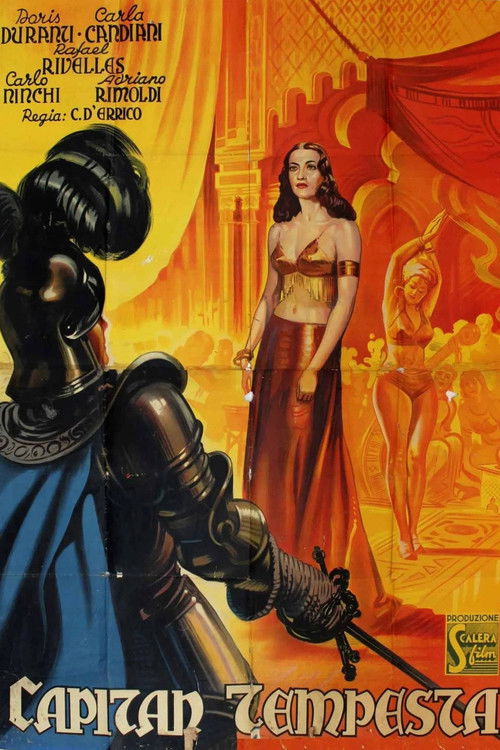
Capitan Tempesta
1942
No user ratings available yet
Representation score: 2.6 out of 10
Representation Score
Limited
1938
ApprovedDirector
Amleto Palermi
Runtime
96 minutes
Average Rating
No ratings yetNew Showbiz Analysis
This 1938 adventure film is a quintessential product of its time, prioritizing traditional genre clichés over social diversity. The narrative structure revolves around a singular male archetype, leaving little room for diverse perspectives or ability to act for underrepresented groups. While the film explores themes of rebellion against maritime authority, this defiance is rooted in the lawlessness of piracy rather than a systemic critique of power. The representation remains firmly within the Eurocentric and straight-centered standards of the late 1930s. Ultimately, the film reinforces existing social hierarchies, functioning as a standard period piece that lacks the complexity or inclusive casting required to challenge the status quo of its era.
Category Breakdown
The film follows the traditional romantic and social structures of 1930s adventure cinema, with no representation of LGBTQ+ identities or same-sex intimacy.
The protagonist holds the primary power and intellect, emphasizing men's control over the story while female characters adhere to conventional roles without challenging established hierarchies.
The production features homogeneous casting and a Eurocentric perspective, focusing on maritime conflicts between established states and pirates.
The narrative celebrates individualistic rebellion against state-sanctioned order, but lacks explicit anti-capitalist or secularist frameworks found in more contemporary media.
Characters with disabilities are not portrayed with ability to act, and physical impairments are often caricatured or used as minor plot devices.
Present on Screen
Limited or Absent
1942
1935
1949
1935
1928
1920
1963

1952
No reviews yet. Be the first to share your thoughts on this movie!
Use the rating form above to leave a star rating and optional review.