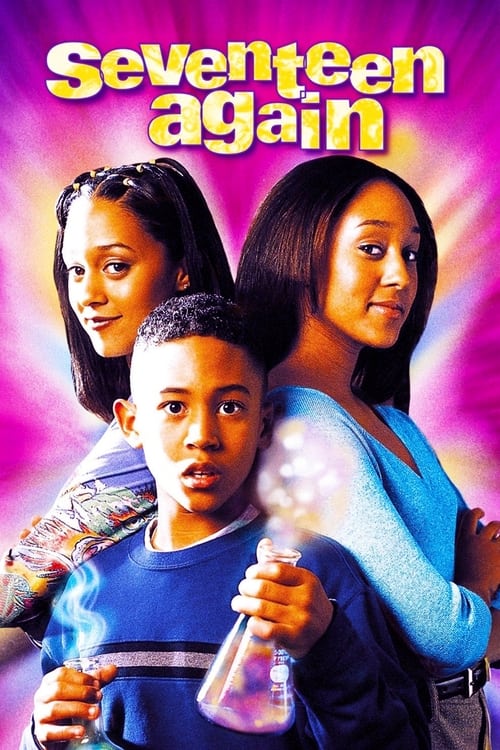
Seventeen Again
2000
No user ratings available yet
Representation score: 2.9 out of 10

Representation Score
Minimal
1986
PGDirector
Steven Hilliard Stern
Runtime
89 minutes
Average Rating
No ratings yetNew Showbiz Analysis
Young Again is a conventional 1980s television drama that relies on the nostalgic concept of age regression. The story follows a traditional trajectory centered on a male protagonist's desire to reclaim his youth and romantic interests. The film lacks complexity in representing multiple aspects of identity, adhering instead to the sentimentalism and standard narrative structures typical of its production era. It prioritizes individualistic storytelling over challenging social hierarchies. Ultimately, the work functions as a period-typical family drama that reinforces traditional romantic and social dynamics.
Category Breakdown
The film follows a traditional romantic storyline focused on heterosexual relationships. There are no representations of LGBTQ+ identities or critiques of heterosexism within the story.
The story centers around a male character's desires and actions. The female character primarily serves as the object of his romantic pursuit.
The film seems to follow typical 1980s casting practices. The narrative suggests a traditional approach to social settings without mentioning specific diverse casting.
The premise aligns with Western cultural values emphasizing individualism and nostalgia. It reinforces established social norms without challenging them.
There is no indication that neurodivergence or physical disabilities play a central role in driving the narrative.
Present on Screen
Limited or Absent
Official Synopsis
A 40-year-old bachelor gets his wish to be 17 again, and he goes back to high school where he romances the daughter of the woman he dated in high school the first time.
2000

2012

2009

1986
1998

2015

2000

1992
No reviews yet. Be the first to share your thoughts on this movie!
Use the rating form above to leave a star rating and optional review.