Don Quijote de la Mancha
1978
No user ratings available yet
Representation score: 2.6 out of 10
Representation Score
Good
1969
Director
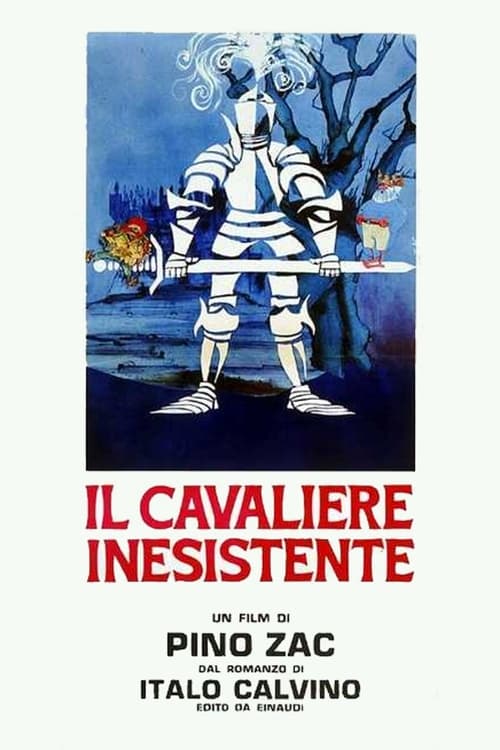
Pino Zac
Runtime
97 minutes
Average Rating
No ratings yetNew Showbiz Analysis
Pino Zac's animation uses surrealism to critique societal structures and human institutions. It excels in dismantling traditional hierarchies, especially through its cultural critique of medieval religious and chivalric systems. Though the film lacks broad demographic representation or racial diversity, it offers deep insights into subverting traditional gender roles and exploring non-traditional modes of existence. The protagonist's metaphysical condition provides a unique perspective on identity and unseen disabilities. Ultimately, the film focuses on intellectual and moral subversion rather than direct representation of underrepresented groups, positioning itself as a thought-provoking rather than demographically inclusive piece of animation.
Category Breakdown
The film doesn't explicitly include LGBTQ+ identities or orientations. However, the protagonist's non-physical existence serves as a metaphor for fluid identity, challenging traditional assumptions about physical presence.
Agilulfo challenges traditional masculine roles by being a knight who relies on intellect and willpower rather than physical strength. This shifts the focus from physical dominance to mental fortitude.
The film follows a traditional medieval European setting without a diverse cast or deliberate mixing of different racial identities.
The story critiques chivalric and religious institutions through the absurdity of a non-existent knight serving a Christian king. This introduces moral relativism into traditional Western religious narratives.
Agilulfo’s existence as a voice in empty armor symbolizes invisible disabilities. The film presents his unique state as an integrated part of his identity rather than a tragedy.
Present on Screen
Limited or Absent
Official Synopsis
Agilulfo is a righteous, perfectionist, faithful and pious knight with only one shortcoming: he doesn't exist. Inside his empty armor is an echoing voice that reverberates through the metal. Nevertheless, he serves the army of a Christian king out of goodwill and faith in the holy cause.
1978
1980
2015
1976
1991
1982
1983
1988
No reviews yet. Be the first to share your thoughts on this movie!
Use the rating form above to leave a star rating and optional review.