
The Feast of the Chicken
1992
No user ratings available yet
Representation score: 6.1 out of 10
Representation Score
Fair
1984
RDirector
Werner Grusch
Average Rating
No ratings yetNew Showbiz Analysis
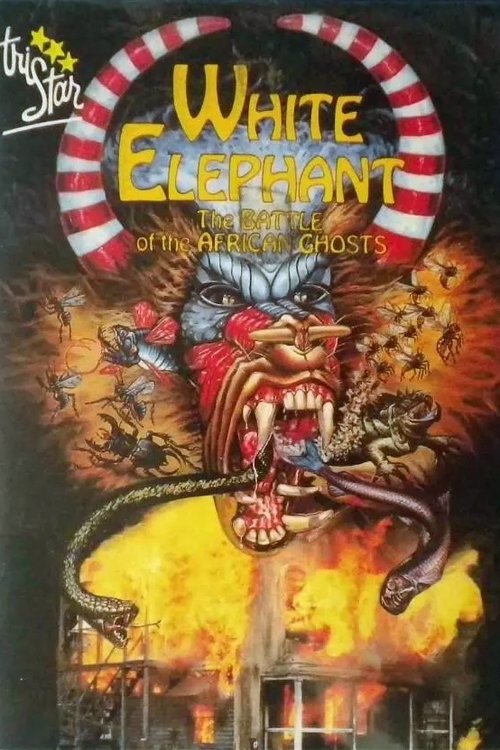
White Elephant is a compelling ethnographic work that challenges the traditional 'technological savior' cliché. By centering the Ghanaian community as active agents of resistance, the film effectively questions colonial-era hierarchies and Western industrial superiority. The narrative's strength lies in its sophisticated critique of technocracy. Instead of a typical progress story, it uses the clash between microchip automation and local environmental wisdom to drive a meaningful ideological transformation in the protagonist. However, the film's impact is limited by a lack of diversity in other areas. The focus on a male-centric industrial conflict leaves little room for queer representation or significant gender subversion.
Category Breakdown
The film does not include explicit mentions of LGBTQ+ characters or identities. The narrative focuses on the cultural tension between a Westerner and a Ghanaian community.
The story centers on a male British engineer and his industrial goals. Female characters are not prominently featured, and the protagonist's eventual failure may subtly critique traditional masculine dominance.
Filmed entirely in Ghana, the movie features a predominantly Black cast. The local population actively resists Western influence rather than passively accepting it.
The film critiques Western industrial dominance by contrasting technocratic beliefs with indigenous wisdom. It emphasizes local knowledge systems over Western rationalism in its resolution.
There are no visible or invisible disabilities portrayed as central to the narrative or character roles.
Present on Screen
Limited or Absent
Official Synopsis
This film was made entirely in Ghana and consists of documentary scenes and a fictitious story about a British engineer who wants to import microchips to Africa. But the reaction of the blacks to his plans to build a fully automatic plastic furniture factory surprises him. His faith in technocracy stands opposed to what they know about the environment. When the conflict has reached its climax, a spell is cast upon him... finally, he gives up... but his attitude toward Africa has changed for the better.
1992
1988

2011
2004

2010
1993
1970
1994
No reviews yet. Be the first to share your thoughts on this movie!
Use the rating form above to leave a star rating and optional review.