White Elephant
1984
No user ratings available yet
Representation score: 5.7 out of 10
Representation Score
Fair
2011
Director
Vít Klusák
Runtime
82 minutes
Average Rating
No ratings yetNew Showbiz Analysis
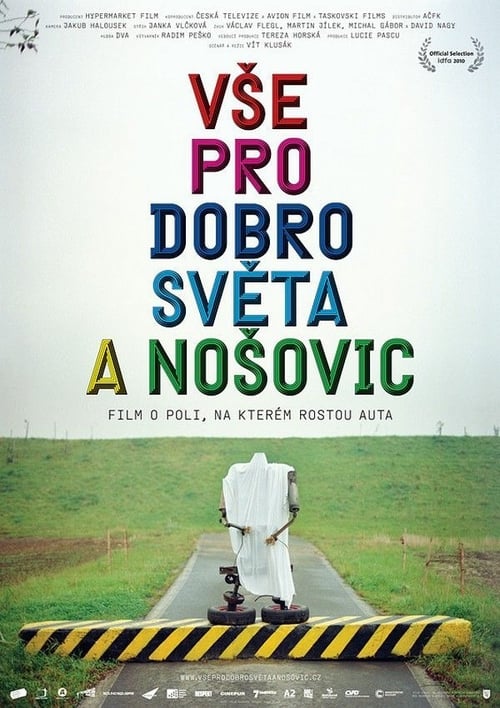
The film primarily serves as a critique of systemic economic shifts rather than a study of diverse identity politics. It prioritizes the conflict between local communities and global capital over individual identity-based narratives. While the documentary offers a sharp deconstruction of the 'progress' narrative, it lacks depth in representing specific underrepresented groups. The focus remains on the collision of agrarian life and industrialization. Ultimately, the work's value lies in its sociopolitical commentary on how globalized capitalism disrupts traditional social orders and local autonomy.
Category Breakdown
The film focuses on the socio-economic transformation of a rural Czech village. There are no LGBTQ+ characters or narratives addressing non-straight relationships.
Gender roles are tied to a traditional farming community transitioning into an industrial zone. The film lacks specific evidence of women playing key roles or challenging traditional masculinity.
The arrival of a South Korean multinational introduces an outsider presence. The narrative explores the tension between local inhabitants and this globalized, non-local entity.
The film critiques the predatory nature of rapid capitalist expansion. It portrays traditional village structures as being under siege by impersonal, systemic global forces.
There is no information available regarding the portrayal of physical or neurodivergent disabilities.
Present on Screen
Limited or Absent
Official Synopsis
An original portrayal of a small Czech village where – as the locals put it – an UFO has landed in the form of a kilometre-long silverish factory: a Korean Hyundai automobile plant. The village, hitherto famous mostly for its sauerkraut and the “Radegast” beer was thus turned into an industrial zone – the largest greenfield investment project in the Czech Republic’s history. Nonetheless, for a long time many farmers resisted selling the land upon which the factory was now standing. Eventually, they all succumbed under the pressure from the neighbours, and even the anonymous death threats. The filmmakers returned to Nošovice two years after the dramatic property buyouts, at the time when the factory has just started churning out cheap cars. Combining the perspectives of seven characters, they have composed a portrayal of a place suddenly changed beyond recognition that is playful and chilling at the same time: a politically engaged absurd flick about a field that yields cars.
1984
1988
2018
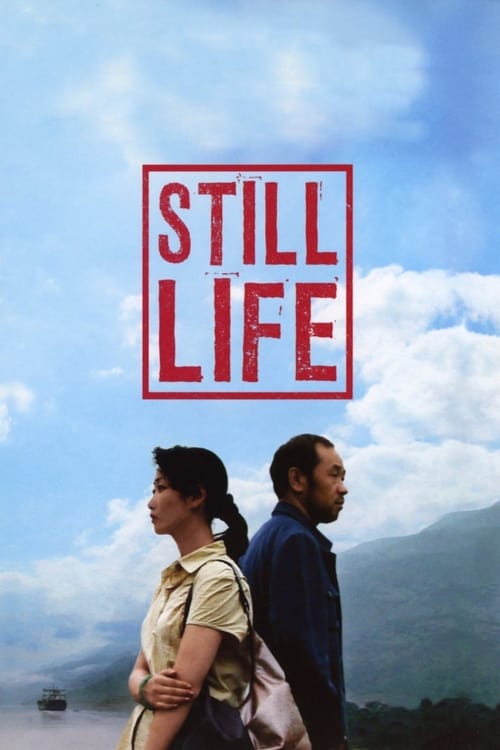
2006
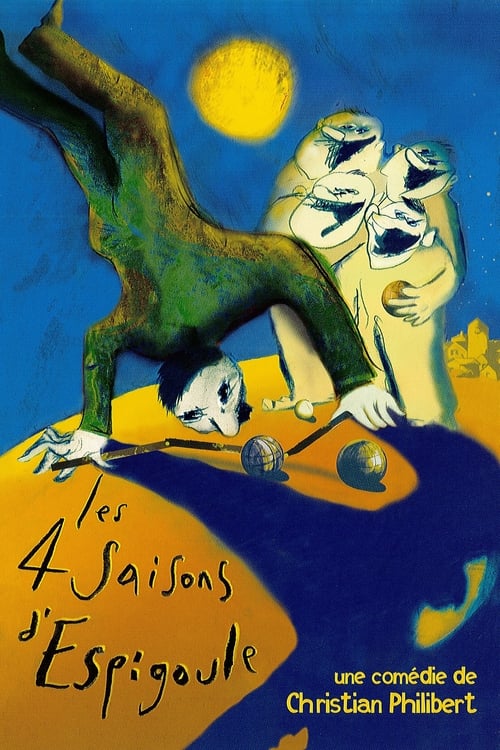
1999
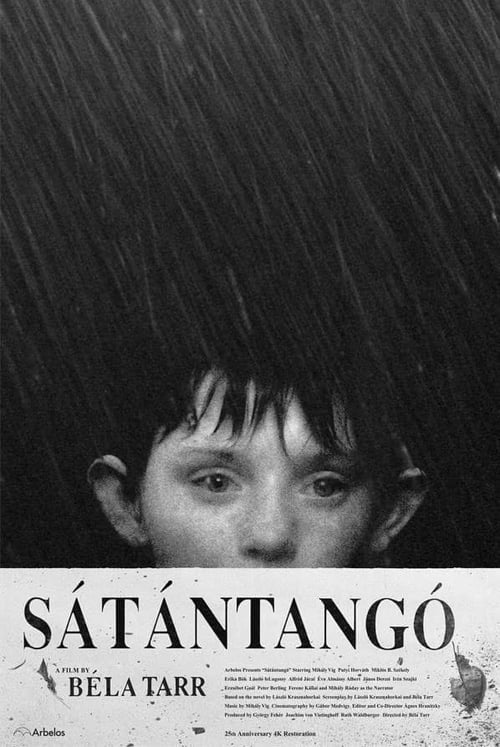
1994

1992
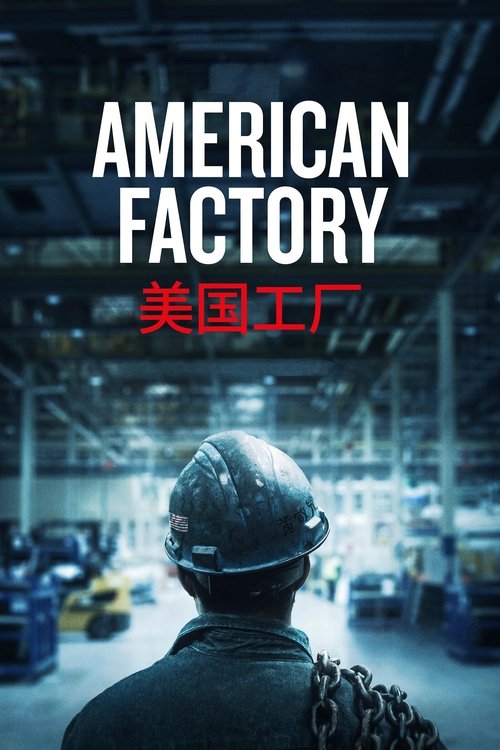
2019
No reviews yet. Be the first to share your thoughts on this movie!
Use the rating form above to leave a star rating and optional review.