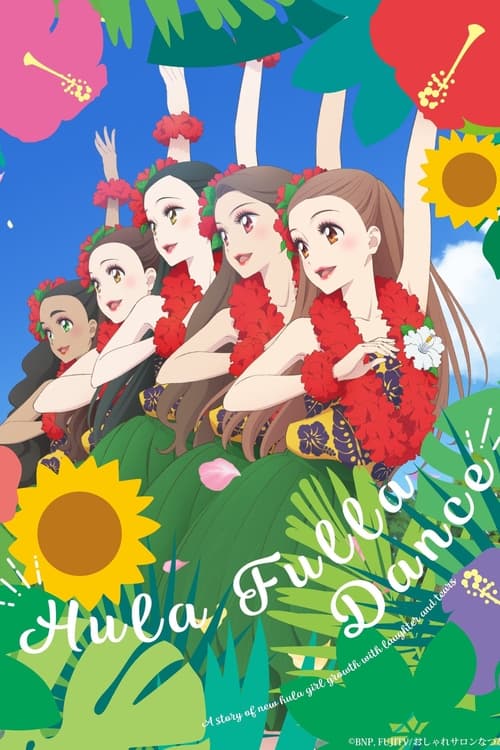
Hula Fulla Dance
2021
No user ratings available yet
Representation score: 7.4 out of 10

Representation Score
Good
2009
TV-14Director
Iku Suzuki
Runtime
24 minutes
Average Rating
No ratings yetNew Showbiz Analysis
The film explores themes of identity and physical discipline through a unique premise. It successfully challenges traditional gender hierarchies by placing a young female character in a position of instructional leadership and expertise. However, the film lacks broad characters who reflect more than one aspect of diversity, offering limited perspectives on racial diversity, LGBTQ+ identities, and specific disabilities. Its diversity lies in its thematic exploration of post-human existence rather than in a wide array of social or cultural perspectives.
Category Breakdown
The film does not explicitly depict same-sex relationships or non-binary gender identities. However, there is a subtle hint at post-human identity through a character's transformation, which could be interpreted as a metaphor for change but does not directly represent LGBTQ experiences.
A teenage girl named Hinako holds a position of authority as an instructional leader, challenging traditional gender roles by showcasing a young woman's expertise in physical discipline.
The film features a homogeneous cast with no apparent characters who reflect more than one aspect of diversity of diverse racial backgrounds or the use of non-human characters to symbolize ethnic diversity.
The story emphasizes secular physical training and bodily autonomy, focusing on the post-human theme which suggests a degree of moral relativism regarding existence.
The film does not explicitly depict neurodivergence or physical disabilities. However, the character's transition from human to anime can be seen as a metaphor for navigating a non-standard physical reality.
Present on Screen
Limited or Absent
Official Synopsis
"First muscle training animation ever," a 16-year-old girl named Hinako leads exercises in push-ups, sit-ups, and squats. Hinako was once a human, but she was turned into an anime character when she was a second-year middle-school student.
2021
2018

2021

2024

2014

2019

2015
1979
No reviews yet. Be the first to share your thoughts on this movie!
Use the rating form above to leave a star rating and optional review.