
Tanya
1976
No user ratings available yet
Representation score: 5.6 out of 10
Representation Score
Fair
1991
TV-PGDirector
Kihachi Okamoto
Runtime
120 minutes
Average Rating
No ratings yetNew Showbiz Analysis
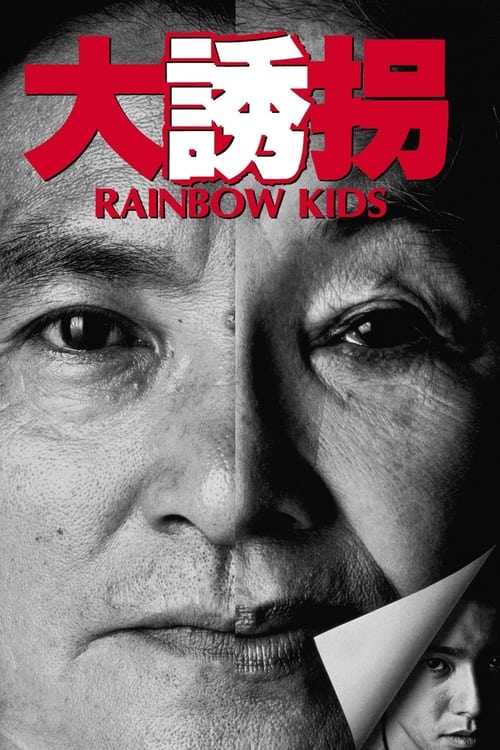
Rainbow Kids employs a comedic kidnapping scenario to challenge traditional power dynamics. By shifting control from the aggressors to the victim, it redefines ability to act. The narrative structure emphasizes situational role reversals over fixed archetypes. This approach critiques class-based authority and social hierarchies through the interactions of key characters. While the film provides a nuanced view of social roles, it lacks detailed representation of specific identity groups beyond structural subversions.
Category Breakdown
The film hints at flexible social roles through a central character swap. Though specific LGBTQ+ identities aren't confirmed, it shakes up traditional power structures.
The matriarch sidesteps the passive 'damsel in distress' stereotype. By mocking the ransom amount, she asserts her intellect and social standing over her captors, reclaiming control during the kidnapping.
As a Japanese production, the film focuses on internal social dynamics. The wealthy matriarch and the kidnapping gang create tension through class differences.
The story uses irony to question traditional wealth and class systems. It portrays the kidnappers as transactional players rather than purely evil, suggesting a moral gray area.
There is no information available regarding the depiction of physical or neurodivergent characters in this film.
Present on Screen
Limited or Absent
Official Synopsis
A wealthy matriarch is kidnapped by a gang of three. She is insulted by the amount of money they propose to demand as ransom, and a strange interchange of roles takes place.
1976
1972

2018
1963

2021
1997
1988
1945
No reviews yet. Be the first to share your thoughts on this movie!
Use the rating form above to leave a star rating and optional review.