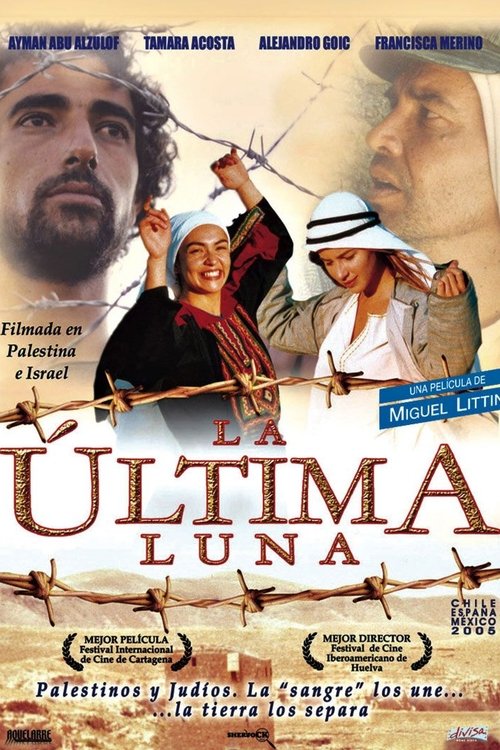
La última luna
2005
No user ratings available yet
Diversity score: 5.2 out of 10
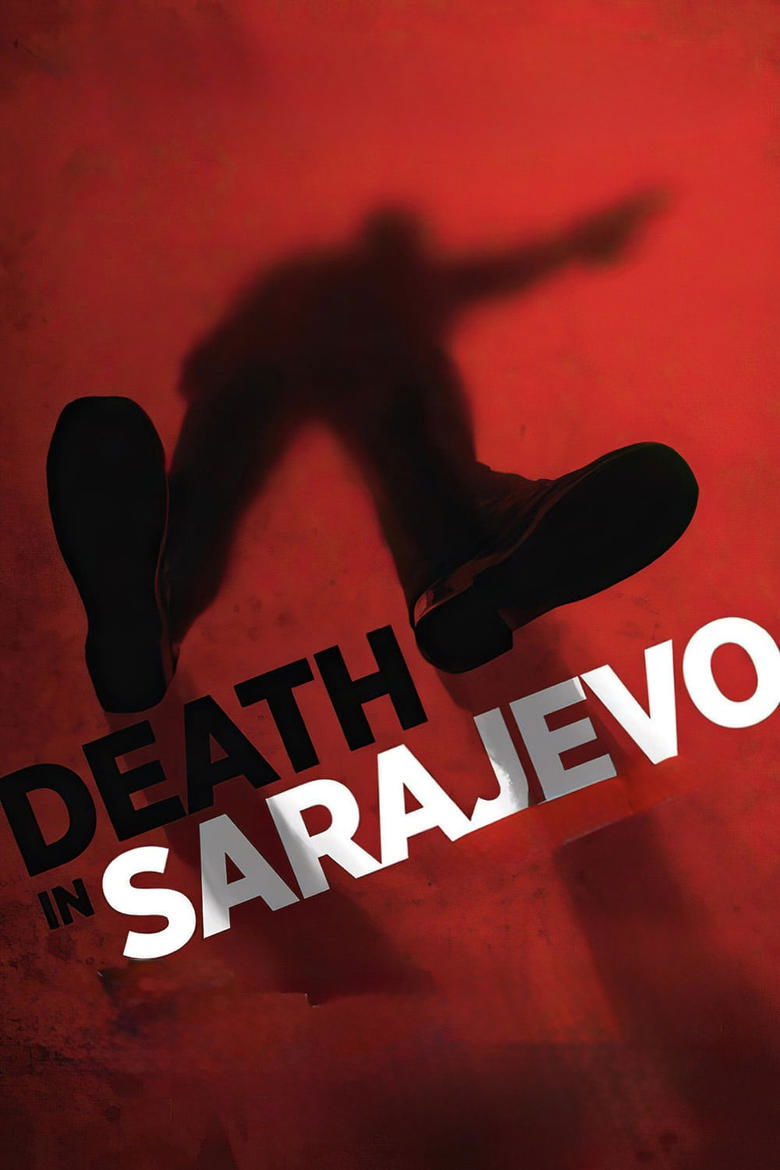
2016
Director
Danis Tanović
Runtime
85 minutes
Average Rating
No ratings yetSynopsis
Sarajevo on 28 of June, 2014. At the Hotel Europa, the best hotel in town, the manager Omer prepares to welcome a delegation of diplomatic VIPs. On the centenary of the assassination that is considered to have led to World War I, an appeal for peace and understanding is supposed to start from here. But the hotel staff have other worries: having not been paid for months, they are planning to go on strike. Hatidza from the hotel laundry is elected strike leader even though her daughter Lamija, who works in reception, is firmly against industrial action. Meanwhile, in the sealed-off presidential suite, a guest from France rehearses a speech. Elsewhere, a television reporter conducts interviews about war and its consequences. Was Gavrilo Princip, the 1914 assassin, a criminal or a national hero? What long shadow does his deed cast into the present?
Overall Score
Fair
Category Breakdown
LGBTQ+ Representation
The film adheres to a traditional heteronormative framework. There is no discernible presence of LGBTQ+ characters or non-cisnormative identities within the plot.
Gender Representation
Female agency is central to the labor struggle, particularly through Hatidza's leadership in the strike. Women like Lamija also hold professional roles that provide a nuanced depiction of influence.
Racial & Ethnic Diversity
The narrative excels in portraying a multi-ethnic landscape. It avoids monolithic depictions by reflecting the complex tapestry of Bosniak, Serb, and Croat identities within the Sarajevo setting.
Religious & Cultural Diversity
The film critiques Western-style institutional structures and capitalist systems. It questions the historical sanctity of figures like Gavrilo Princip, framing peace as a potentially performative construct.
Disability Representation
The narrative prioritizes socioeconomic and political identity. There is no significant focus on visible or invisible disabilities or neurodivergence.
Strengths
Areas for Improvement
AI Analysis
Death in Sarajevo is a sophisticated socio-political inquiry that uses a luxury hotel to examine the friction between historical legacy and contemporary instability. It succeeds most notably in its authentic, non-monolithic portrayal of the Balkan region's ethnic complexities. While the film offers a strong critique of institutional authority and capitalist corruption, it lacks representation for LGBTQ+ identities and individuals with disabilities. The narrative focus remains tightly bound to class, ethnicity, and political tension. Ultimately, the film provides a nuanced look at the working class versus the political elite, though it operates within a relatively traditional social framework regarding gender and identity.
2005
2015

2022

2009
2023
2003
2020
2012
2019

1997
2026
2021
No reviews yet. Be the first to share your thoughts on this movie!
Use the rating form above to leave a star rating and optional review.