
The Pear Tree
1998
No user ratings available yet
Representation score: 7.8 out of 10
Representation Score
Good
1995
Director
Dariush Mehrjui
Runtime
115 minutes
Average Rating
No ratings yetNew Showbiz Analysis
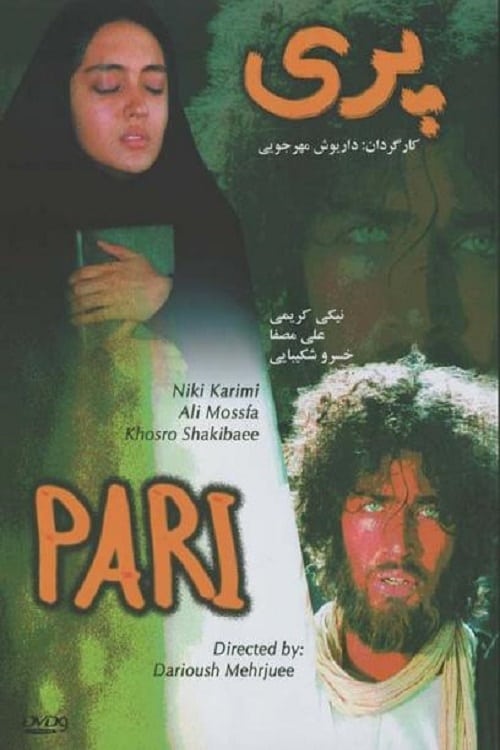
Pari is a sophisticated psychological study that emphasizes individual ability to act and intellectual depth over broad demographic representation. The film stands out for its authentic portrayal of Iranian culture and its subversion of traditional gender roles through a strong, autonomous female protagonist. However, the narrative lacks diversity in terms of LGBTQ+ identities and explicit disability representation. The focus remains tightly centered on the protagonist's internal journey and her specific cultural context. Ultimately, the film's strength lies in its exploration of truth and its rejection of conventional social hierarchies, even if it does not cover a wide range of identity-based representation.
Category Breakdown
The film does not include explicit LGBTQ+ characters or identities. It focuses on psychological tension between main characters without any clear subtext or same-sex intimacy.
Pari challenges traditional gender roles through her intellectual and spiritual pursuits. She chooses an ascetic path over her brother's domestic life, showcasing her independence and autonomy.
The film features a culturally authentic Iranian cast. It avoids whitewashing or imposing foreign stereotypes, emphasizing local specificity and language.
The story highlights individual spiritual inquiry rather than institutional norms. It critiques rigid social structures and conventional roles through Eastern philosophy and subjective morality.
Psychological instability and obsessive behaviors are used to develop characters and enhance realism. The film does not focus on neurodivergence or mock disabilities.
Present on Screen
Limited or Absent
Official Synopsis
Pari is an honor student in literature and theatre at Tehran University. Attracted to the life of her late brother Asad, an ascetic and devotee to Eastern philosophy, she abandons her usual life and embarks on a journey to find herself and discover who she really is. Her quest upsets her other brother, Dadashi, who disagrees with the ascetic life of Asad and tries to convince Pari to return to literature and theater. Her quest upsets her other brother, Dadashi, who disagrees with the ascetic life of Asad and tries to convince Pari to return to literature and theater
1998

1998

2013

1959
1990
2002

1994
1999
No reviews yet. Be the first to share your thoughts on this movie!
Use the rating form above to leave a star rating and optional review.