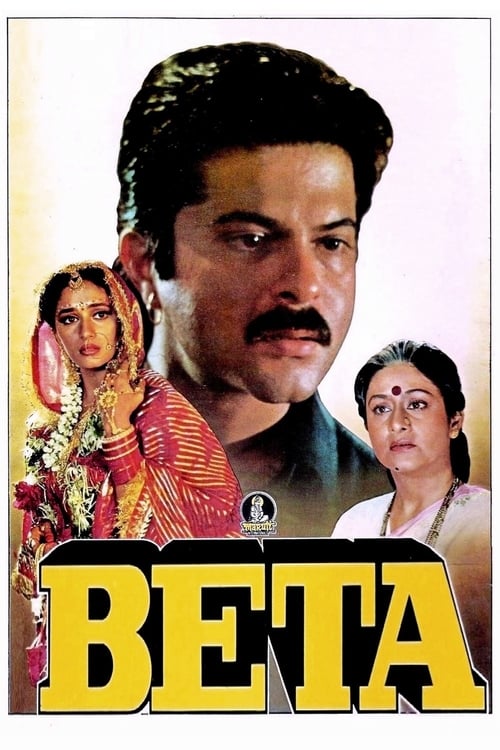
Beta
1992
No user ratings available yet
Representation score: 2.0 out of 10
Representation Score
Minimal
2001
Not RatedDirector
Suneel Darshan
Runtime
174 minutes
Average Rating
No ratings yetNew Showbiz Analysis
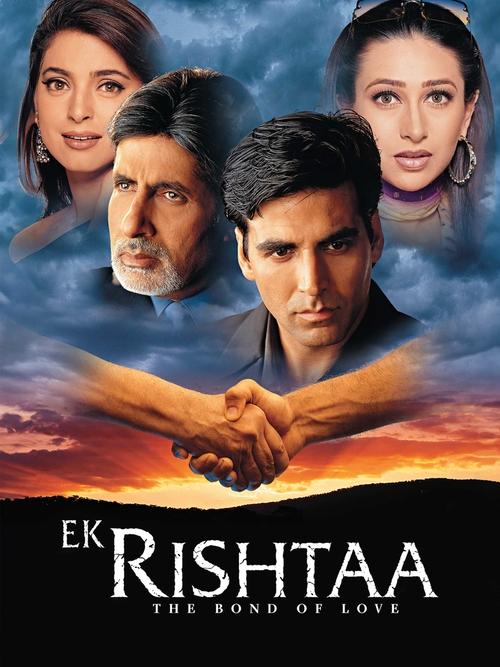
Ek Rishtaa: The Bond of Love is a traditionalist film that upholds established social hierarchies. The story centers on restoring order and preserving the patriarchal family structure, prioritizing domestic stability over social disruption. The narrative structure reinforces traditional masculine roles and patriarchal lineage. By focusing on a wealthy patriarch and his male heirs, the film supports established social hierarchies. Ultimately, the film serves to reinforce local institutional values. It aims to restore a fixed moral order without exploring progressive or diverse social perspectives.
Category Breakdown
The film follows a traditional storyline that assumes everyone is straight or cisgender. There are no representations of non-cisgender gender identities or same-sex relationships.
The female lead is central to the emotional journey, but the story revolves around themes of sacrifice and patriarchal lineage. The power dynamics are defined by traditional masculine roles of stewardship and leadership.
The cast and setting are predominantly Indian, reflecting the cultural specificity of Indian cinema. The film lacks diverse casting or race-bending to challenge the status quo.
The narrative emphasizes the sanctity of the family unit and patriarchal authority. Traditional values are reinforced, without critiquing capitalism or religious institutions.
There are no visible or invisible disabilities portrayed as central to character development or the narrative arc.
Present on Screen
Limited or Absent
Official Synopsis
A wealthy factory owner, played by Amitabh Bachchan, raises up his conniving son-in-law while breaking off with his own son, played by Akshay Kumar, who then comes back to right all wrongs and save the family fortune.
1992
2003
1987

2011
1990
1978
1991
1983
No reviews yet. Be the first to share your thoughts on this movie!
Use the rating form above to leave a star rating and optional review.