
I miei più cari amici
1998
No user ratings available yet
Diversity score: 4.8 out of 10
1993
Director
Alessandro Benvenuti
Runtime
94 minutes
Average Rating
No ratings yetSynopsis
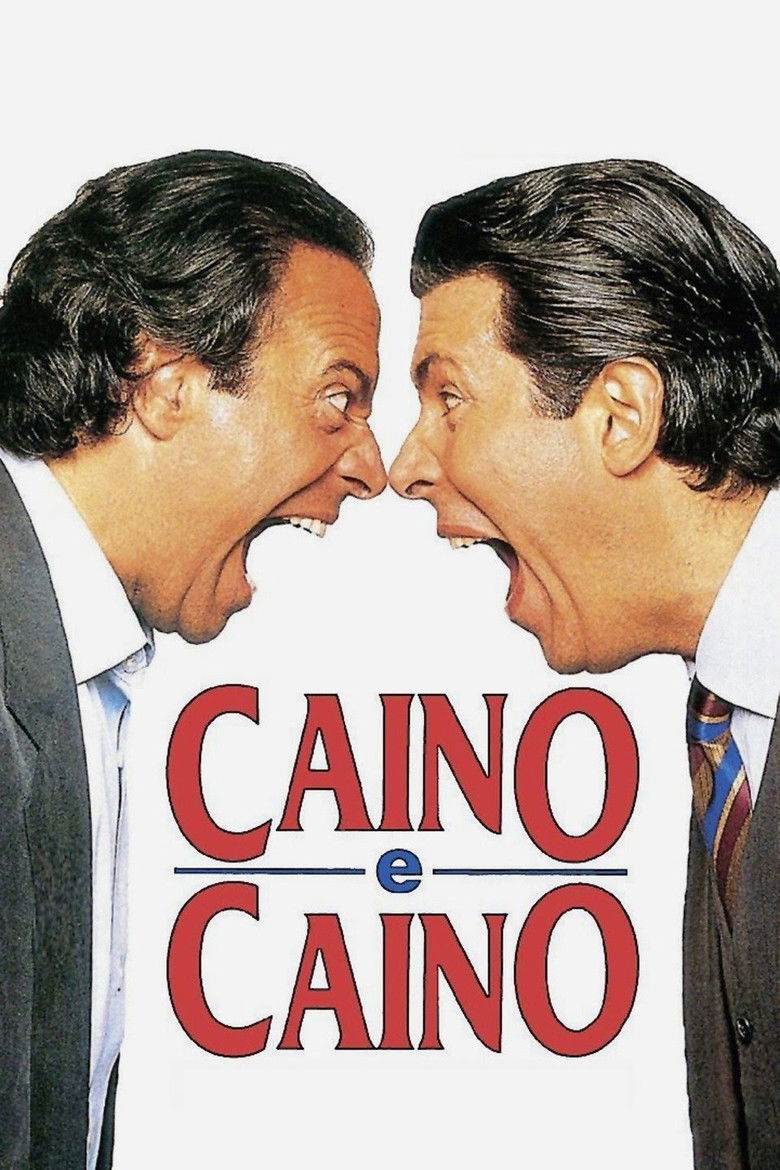
After the death of their rich industrialist father leaves them each with 49% of his company's shares, two brothers who can't stand each other start a war for the remaining 2%.
Overall Score
Fair
Category Breakdown
LGBTQ+ Representation
The film lacks explicit evidence of queer identities or intimacy. While Italian social comedies of this era often use subtext to critique bourgeois values, no specific identity-driven narratives are confirmed.
Gender Representation
The story disrupts the stable patriarch trope by focusing on the instability following the father's death. It portrays male authority as fractured and farcical rather than traditionally dominant.
Racial & Ethnic Diversity
The narrative appears to reflect the demographic homogeneity typical of 1993 Italian domestic comedies. There is no evidence of significant racial blending or diverse casting.
Religious & Cultural Diversity
The film critiques Western institutions by framing the capitalist family as a site of greed. It deconstructs the sanctity of the industrialist legacy through the brothers' absurd conflict.
Disability Representation
There is no information available regarding the portrayal of physical or neurodivergent characters in this work.
Strengths
Areas for Improvement
AI Analysis
Caino e Caino functions primarily as a satirical deconstruction of the nuclear family and capitalist inheritance. By centering the plot on a bitter war over a tiny fraction of company shares, the film shifts focus from patriarchal stability to the chaotic agency of heirs. While the film offers a sharp critique of traditional Western social structures and the dysfunction of the industrialist class, it lacks intersectional depth. The narrative remains largely confined to a homogeneous demographic context typical of its era. Ultimately, the film's progressive value lies in its subversion of the family as a cohesive unit, instead presenting it as a landscape of systemic greed and interpersonal conflict.
1998

2019

2024

2021
2011

1975
2022

2000

2013

2018
1992

2008
No reviews yet. Be the first to share your thoughts on this movie!
Use the rating form above to leave a star rating and optional review.