
To The Heritage With Love
2019
No user ratings available yet
Representation score: 3.6 out of 10
Representation Score
Fair
2022
Director
Barbara Biancardini, Karole Rocher
Runtime
85 minutes
Average Rating
No ratings yetNew Showbiz Analysis
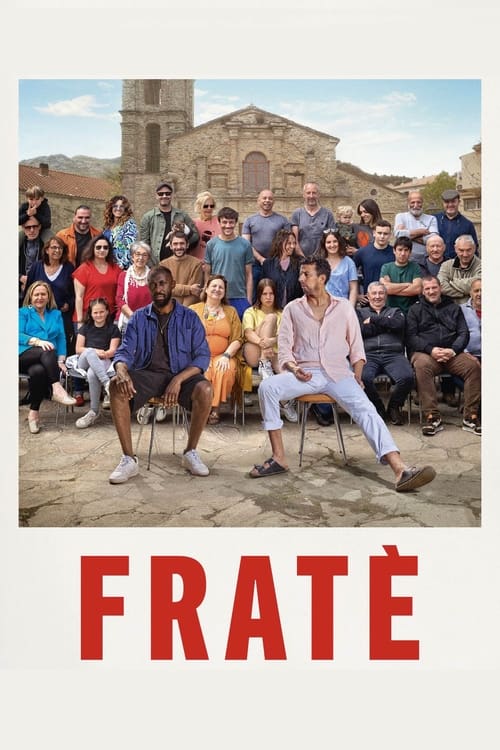
Fratè serves as a character study that challenges traditional ideas of familial inheritance and legitimacy. By focusing on the tension between an adopted son and a biological son, the film moves away from traditionalist themes. While the film doesn't explicitly depict LGBTQ+ identities or disabilities, it successfully deconstructs the singular authority of the patriarch. The narrative emphasizes non-biological kinship over rigid traditions, promoting moral relativism regarding lineage.
Category Breakdown
The film doesn't explicitly show LGBTQ+ identities or same-sex relationships. However, it explores non-biological kinship, which subtly challenges traditional family definitions.
The story breaks down masculine hierarchies by focusing on the power struggle after a patriarch's death. It replaces stable leadership with a volatile fight between two brothers.
Set in the Corsican countryside, the film likely features a mostly Mediterranean cast. The presence of an adopted son might introduce ethnic diversity, though specific details are unknown.
The story questions the sanctity of bloodline legitimacy by putting an adopted heir on equal footing with a biological one. It portrays the family home as a place of conflict.
There is no information about the portrayal of physical or neurodivergent disabilities in the film.
Present on Screen
Limited or Absent
Official Synopsis
Following the burial of his father, in his village right in the middle of the Corsican countryside , Dumè discovered the existence of a brother, Lucien, with whom he will have to share the inheritance left by the patriarch... On the condition of being able to live together for a month in the family home. Under the backdrop of cultural legitimacy and of real estate inheritance a balance of power will be established between Lucien, the blood son, and Dumè, the adopted son.
2019

1995

2018

1985

2018

2014
2002

2019
No reviews yet. Be the first to share your thoughts on this movie!
Use the rating form above to leave a star rating and optional review.