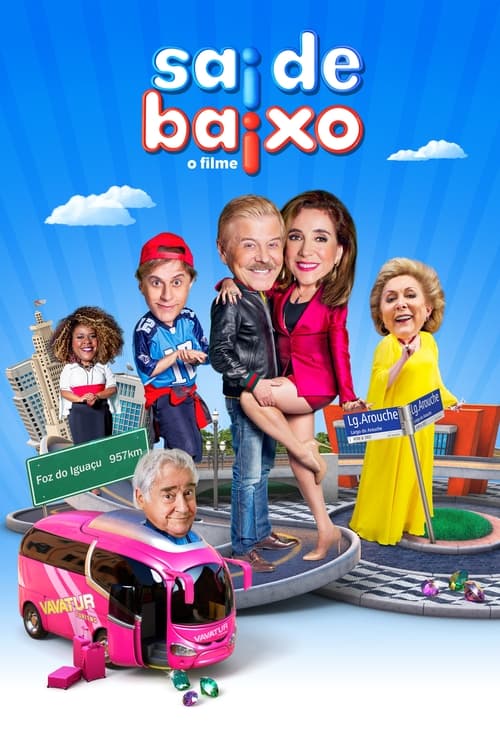
Sai de Baixo: O Filme
2019
No user ratings available yet
Diversity score: 4.7 out of 10
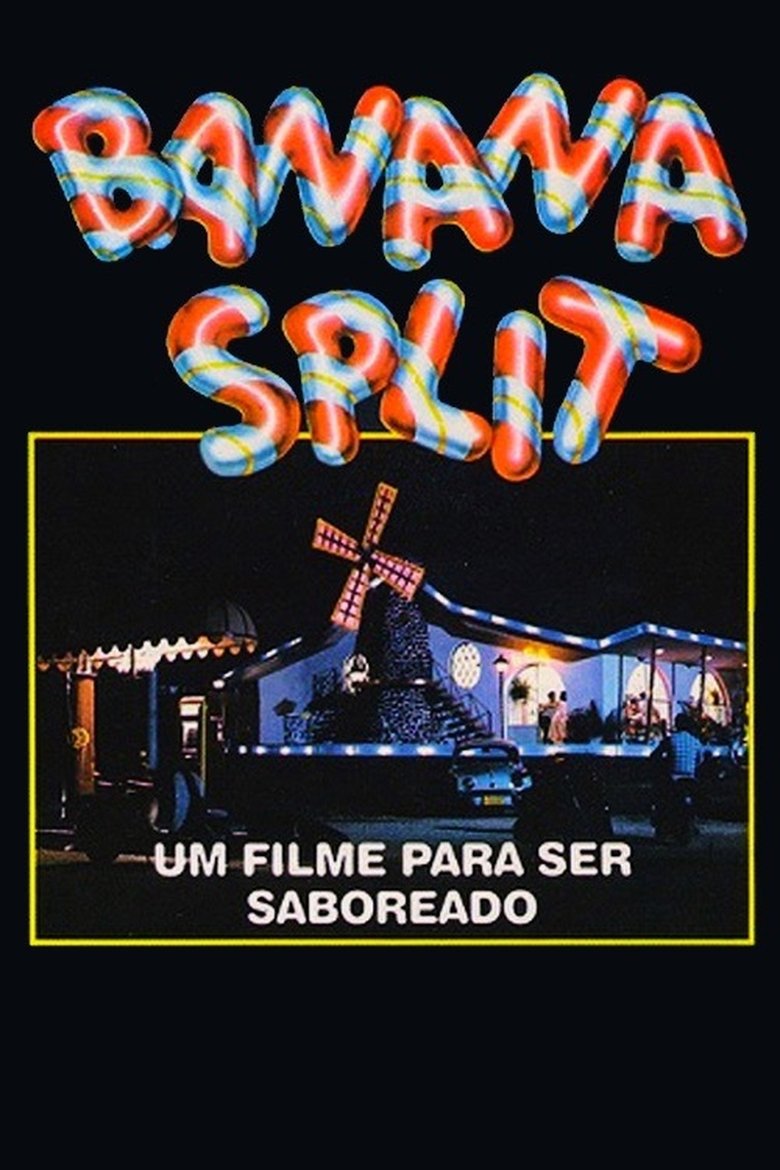
1988
Director
Paulo Sérgio de Almeida
Runtime
90 minutes
Average Rating
No ratings yetSynopsis
In Petrópolis in the 1950s, the group of Nei, Cabelinho, Bambolê, Laura and Carminha is excited about the arrival of the cariocas, who symbolize the highest level of modernity.
Overall Score
Fair
Category Breakdown
LGBTQ+ Representation
The film lacks explicit evidence of queer narratives or non-heteronormative identities. The 1950s setting suggests a narrative likely constrained by the social mores of that era.
Gender Representation
A group of female characters provides a baseline for female presence. However, they appear defined by traditional coming-of-age tropes rather than the subversion of gender hierarchies.
Racial & Ethnic Diversity
The story engages with regional identity and internal migration between Petrópolis and Rio de Janeiro. This setup often serves as a proxy for exploring class and social stratification.
Religious & Cultural Diversity
The film explores the tension between provincial life and urban modernity. It functions more as a nostalgic comedy than a systemic critique of social or religious institutions.
Disability Representation
There is no mention of characters possessing visible or invisible disabilities within the narrative.
Strengths
Areas for Improvement
AI Analysis
Banana Split operates primarily as a period-piece comedy focused on regional social dynamics in 1950s Brazil. While it centers on a group of young women, the characters seem tied to traditional tropes rather than progressive identity exploration. The film's strength lies in its exploration of regionalism and the cultural friction between local residents and urban outsiders. This provides a window into Brazilian social stratification and the concept of modernity. However, the work lacks intersectional complexity. It does not provide documented evidence of disrupting traditional social hierarchies or addressing LGBTQ+ identities, resulting in a relatively low diversity profile.
2019

2016

2012

1967

1998
1989
1978

2014

2012
1990

2015
1972
No reviews yet. Be the first to share your thoughts on this movie!
Use the rating form above to leave a star rating and optional review.