
A Tattered Web
1971
No user ratings available yet
Representation score: 0.9 out of 10
Representation Score
Minimal
1973
TV-PGDirector
Jack Smight
Runtime
75 minutes
Average Rating
No ratings yetNew Showbiz Analysis
This 1973 adaptation of the classic noir remains tethered to the genre's traditional social hierarchies. The film prioritizes suspense and established archetypes over the representation of underrepresented groups, resulting in a narrow demographic scope. The narrative structure reinforces conventional clichés, particularly through its reliance on the dangerous woman archetype and a predominantly white cast. It functions as a character study of individual corruption rather than a tool for social or systemic critique. Ultimately, the film operates within a standard straight-centered framework, offering little disruption of the status quo or meaningful diversity.
Category Breakdown
The film centers on a heterosexual relationship between a wife and an investigator. There are no queer narratives or non-cisgender identities present.
The story relies on the femme fatale archetype. While the female lead plays a significant role in driving the plot, it is framed through manipulation and moral transgression rather than nuanced leadership.
The production maintains the demographic homogeneity typical of the noir genre. It depicts a predominantly white social milieu with little diversity.
The narrative explores individual greed and moral failure. It lacks an explicit critique of Western institutions like capitalism or religion from a systemic standpoint.
There is no evidence of characters with visible or invisible disabilities within the film's narrative.
Present on Screen
Limited or Absent
Official Synopsis
A scheming wife lures an insurance investigator into helping murder her husband and then declare it an accident. The investigator's boss, not knowing his man is involved in it, suspects murder and sets out to prove it.
1971
1944
1971

1948

2023

1958
1993
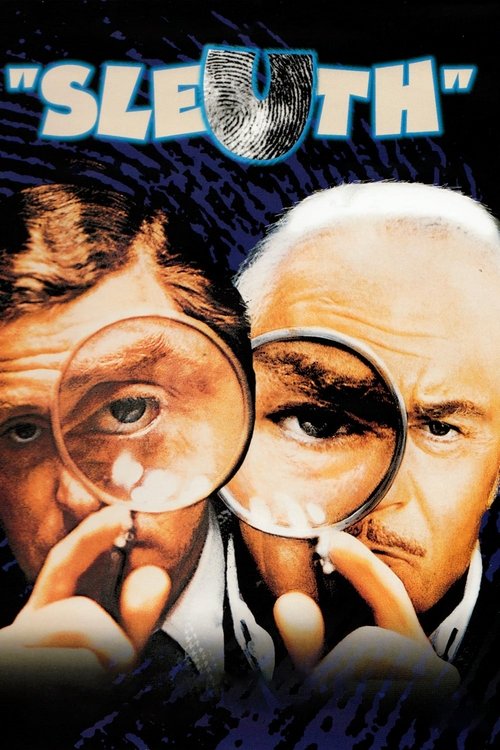
1972
No reviews yet. Be the first to share your thoughts on this movie!
Use the rating form above to leave a star rating and optional review.