
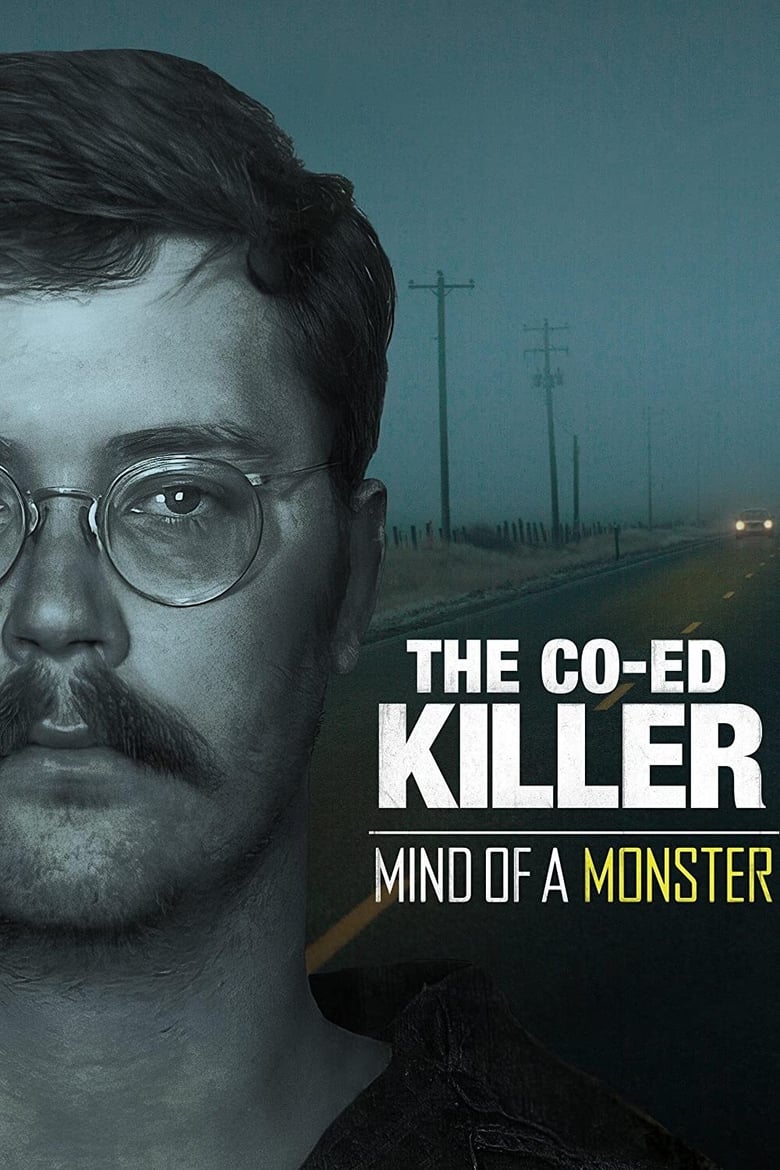
The Green River Killer: Mind of a Monster
2020
No user ratings available yet
Diversity score: 2.0 out of 10
2021
Director
Johnny Burke
Runtime
126 minutes
Average Rating
No ratings yetSynopsis
In 1972 Santa Cruz, Calif., police fear multiple serial killers are operating at the same time, as human remains wash upon the shores of the seaside community; victims include children, students, pedestrians and hitchhikers. The story and reality of Edmund Kemper, the "Co-Ed Killer" who appears to be a gentle giant who offers rides to young female hitchhikers but is actually a perverted monster with a tormented childhood and dark sexual fantasies.
Overall Score
Limited
Category Breakdown
LGBTQ+ Representation
The film lacks LGBTQ+ characters or narratives. The focus remains strictly on the sexual deviancy of the perpetrator within a 1972 context.
Gender Representation
The narrative centers on a gendered power imbalance between a male predator and female victims. It depicts pathological masculinity rather than challenging traditional gender hierarchies.
Racial & Ethnic Diversity
The story appears to default to the demographic norms of 1972 Santa Cruz. There is no evidence of diverse casting or non-Anglo-Saxon perspectives.
Religious & Cultural Diversity
The documentary follows a standard true crime trajectory. It explores psychological dysfunction but avoids critiques of Western social or religious institutions.
Disability Representation
Mental health is explored through the lens of criminality and pathology. The film uses psychological instability as a driver for horror rather than providing neurodivergent agency.
Strengths
Areas for Improvement
AI Analysis
This documentary functions as a traditional true crime reconstruction, prioritizing psychological profiling over social critique. The narrative architecture is built around the historical crimes of Edmund Kemper, which limits the scope for meaningful representation. The film adheres to established genre tropes, focusing on the predatory relationship between a male subject and his female victims. This focus results in a narrow perspective that lacks intersectional depth or the subversion of social hierarchies. Ultimately, the work serves as a historical study of a specific criminal case. It does not attempt to disrupt conventional social structures or provide a platform for diverse identities.
2020
2018
2020
1984
1984

2012

2021
2021

2022

2018

2013
2004
No reviews yet. Be the first to share your thoughts on this movie!
Use the rating form above to leave a star rating and optional review.