Crazy Blood
1963
No user ratings available yet
Diversity score: 3.1 out of 10
2005
Director
Grigoris Karantinakis
Runtime
135 minutes
Average Rating
No ratings yetSynopsis
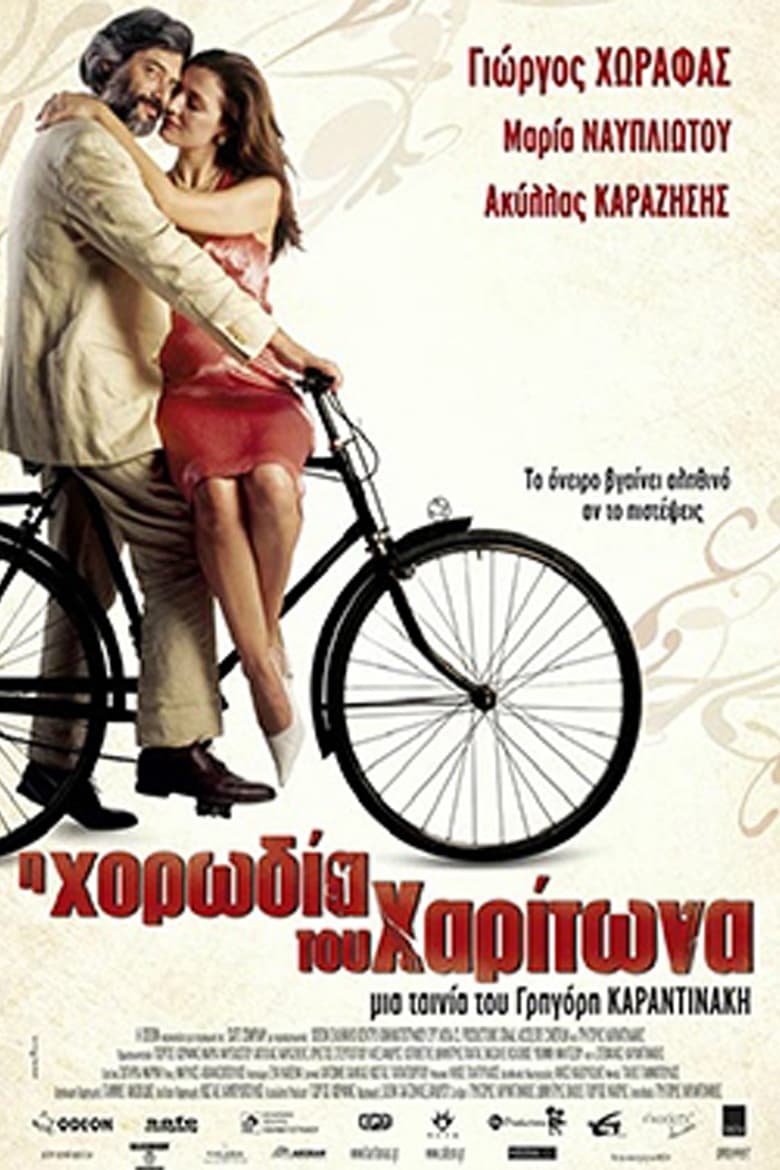
Chariton Ulianov has one great love: Life! That particular love affair however does not hamper him in his pursuit of enjoyment of her simpler pleasures. For him every woman is beautiful, every wine is superior when shared with good company and every situation an opportunity for good humor. His position as School Master in a small provincial town on the island of Corfu gives him the opportunity to disseminate his own unique philosophy especially to the students that participate in his greatest passion: the choir.
Overall Score
Limited
Category Breakdown
LGBTQ+ Representation
The film focuses on a traditional romantic rivalry between two men over a single woman. There is no evidence of non-cisnormative identities or narratives that critique heteronormativity.
Gender Representation
The plot centers on a male-driven conflict between a headmaster and a commander. The female lead functions primarily as an object of desire rather than a character with independent agency.
Racial & Ethnic Diversity
Set in Corfu, the film reflects the demographic homogeneity of its specific geographic setting. It leans into a localized Greek identity without evidence of multi-ethnic casting.
Religious & Cultural Diversity
The story celebrates local traditions, such as the choir, and communal social structures. It emphasizes traditionalist views of social harmony and the simpler pleasures of life.
Disability Representation
There is no discernible mention of characters with physical, neurodivergent, or mental health conditions within the narrative.
Strengths
Areas for Improvement
AI Analysis
Chariton's Choir operates as a traditional regional comedy that prioritizes cultural continuity over social disruption. The narrative architecture relies on established genre tropes, focusing on local Mediterranean life and communal enjoyment. The film's structure reinforces conventional hierarchies. Male competition drives the comedic momentum, while the female protagonist serves as a catalyst for the plot rather than a fully realized agent of change. Ultimately, the work adheres to a stable, traditional social framework. It celebrates specific Greek cultural identities but lacks engagement with intersectional or progressive identity politics.
1963
1981
1984
2011
1966

1963
1962
1964

2015
1955
1974
1959
No reviews yet. Be the first to share your thoughts on this movie!
Use the rating form above to leave a star rating and optional review.