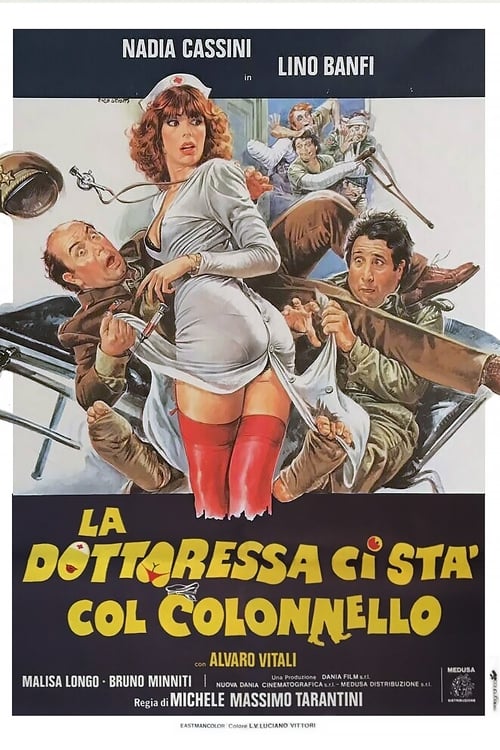
The Doctor Is Staying with the Colonel
1980
No user ratings available yet
Diversity score: 3.2 out of 10
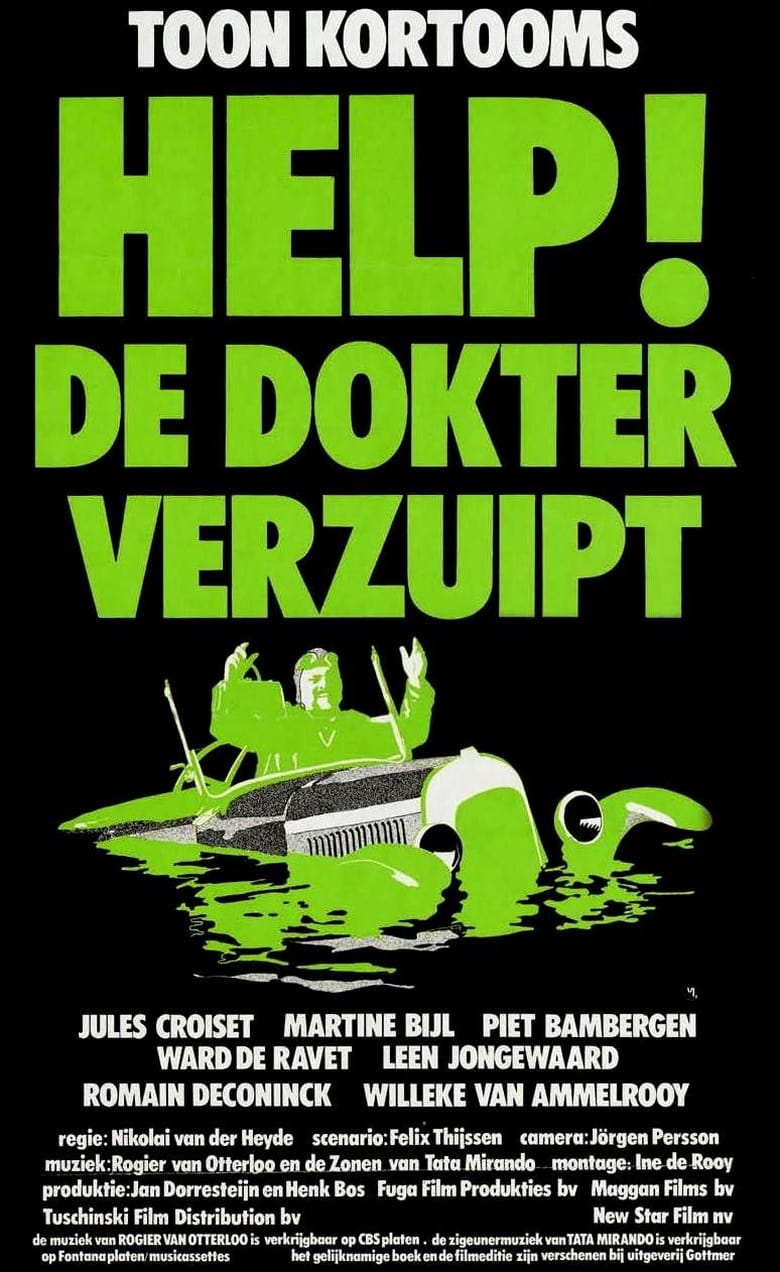
1974
Director
Nikolai van der Heyde
Runtime
94 minutes
Average Rating
No ratings yetSynopsis
Small-town doctor Angelino falls in love at first sight with schoolteacher Irene. Bram the Builder is in love with gypsy girl Katja. Neither of the two men know how to convey their feelings to the objects of their affection.
Overall Score
Limited
Category Breakdown
LGBTQ+ Representation
The film focuses on heteronormative romantic pursuits between the doctor and the schoolteacher, and the builder and the gypsy girl. There is no evidence of non-cisnormative identities or same-sex intimacy.
Gender Representation
Male protagonists drive the narrative through their emotional struggles. While female characters act as plot catalysts, their agency is largely defined by their roles as objects of desire.
Racial & Ethnic Diversity
The inclusion of a gypsy girl provides some ethnic diversity to the small-town setting. However, this identity appears to function as a romantic trope rather than a deep exploration.
Religious & Cultural Diversity
The story reinforces traditional mid-century European social structures and established roles. It focuses on community stability rather than critiquing Western social norms or institutions.
Disability Representation
There are no visible or invisible disabilities portrayed within the central character arcs of the film.
Strengths
Areas for Improvement
AI Analysis
Help! The Doctor Is Drowning is a conventional 1970s comedy that adheres to the standard social and romantic hierarchies of its era. The narrative relies on traditional character archetypes, such as the small-town doctor and the builder, to drive a lighthearted plot. While the film introduces ethnic variety through the character of Katja, it lacks the complexity to move beyond surface-level tropes. The representation of women is primarily functional, serving as the motivation for the male leads' emotional journeys rather than existing as fully realized, independent agents. Ultimately, the film functions as a period piece that reinforces existing social norms. It does not seek to subvert gender hierarchies or explore intersectional identities, making it a standard example of mid-century European comedic storytelling.
1980
1976
1987

1965

2008

1970

1959
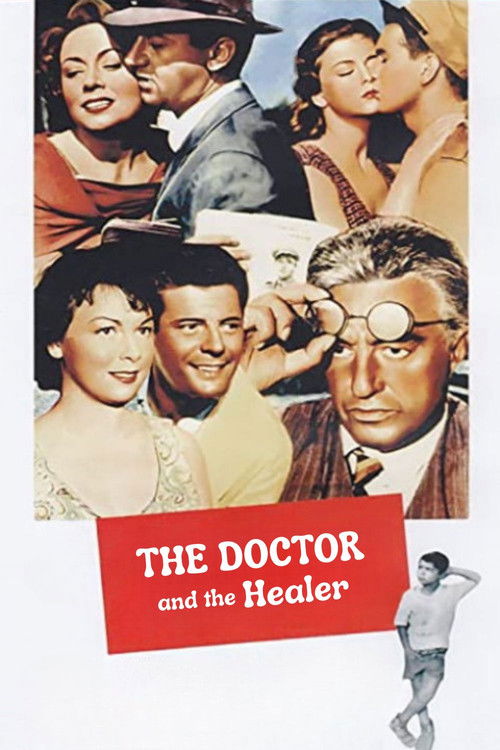
1957

1956
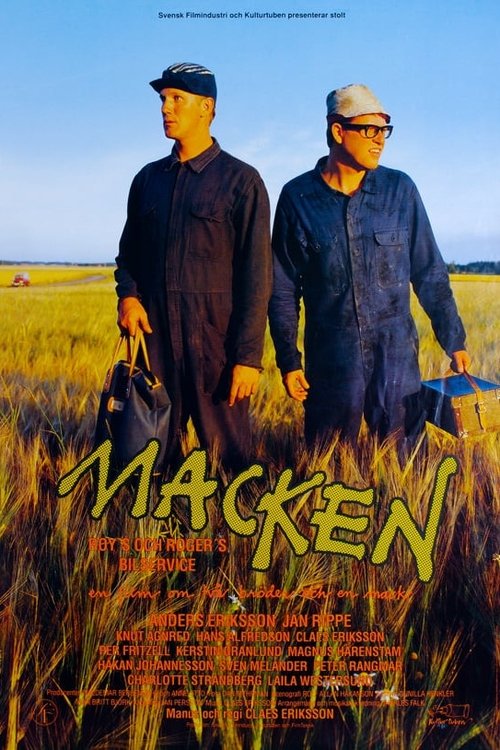
1990
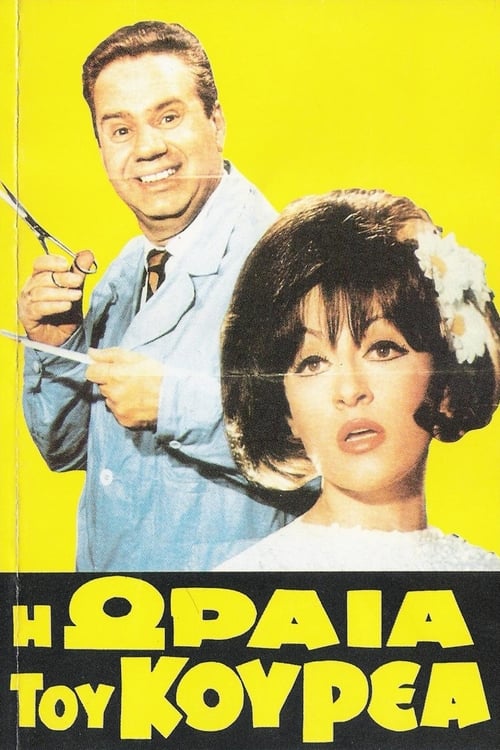
1969
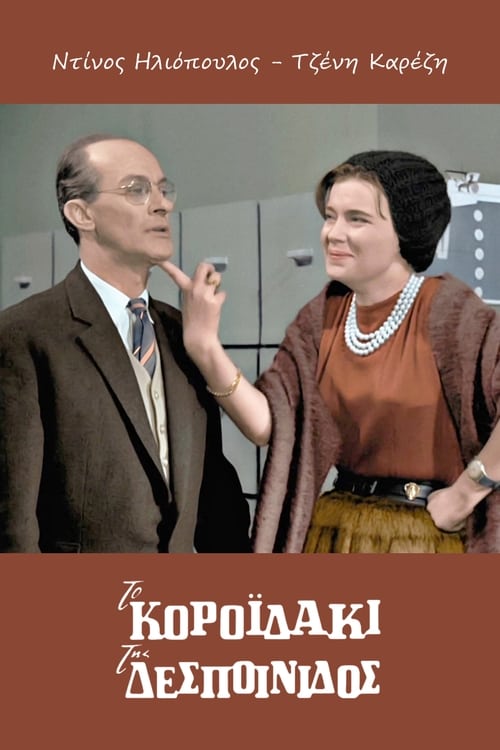
1960
No reviews yet. Be the first to share your thoughts on this movie!
Use the rating form above to leave a star rating and optional review.