Nobody Speak: Trials of the Free Press
2017
No user ratings available yet
Diversity score: 4.5 out of 10
2018
NRDirector
Frank Henenlotter
Runtime
105 minutes
Average Rating
No ratings yetSynopsis
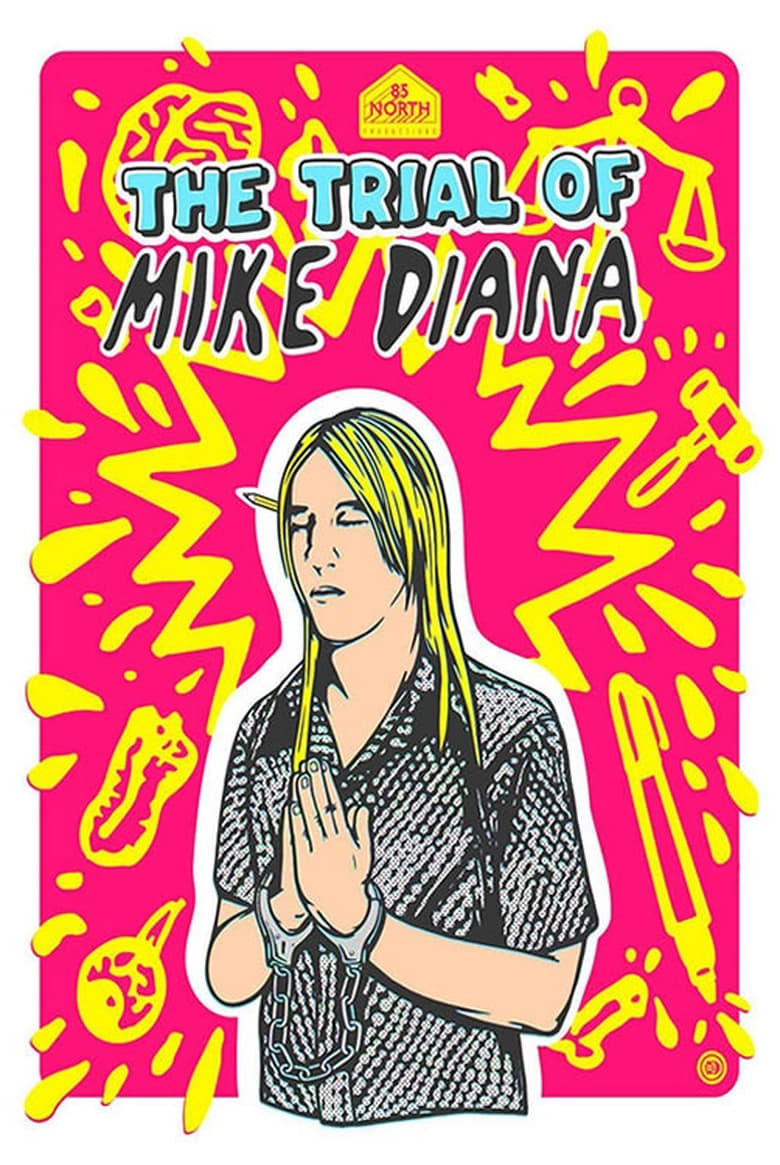
Florida, 1994. Artist Mike Diana is convicted on an obscenity charge in the wake of an undercover police officer purchasing his limited edition zine Boiled Angel. Here is the very unusual story of what led to this First Amendment debacle happening for the first time in the United States.
Overall Score
Fair
Category Breakdown
LGBTQ+ Representation
The film centers on Mike Diana's legal battle rather than explicit LGBTQ+ identities. While the underground art discussed may contain queer-coded elements, the narrative lacks specific non-cisnormative romantic arcs.
Gender Representation
This character study focuses almost exclusively on a singular male protagonist. It avoids traditional domestic tropes, instead presenting a chaotic version of masculinity that disrupts conventional societal expectations.
Racial & Ethnic Diversity
The narrative is centered on a white artist within a localized Florida setting. There is no evidence of a diverse cast or the use of racial intersectionality to drive the story.
Religious & Cultural Diversity
The documentary excels by critiquing Western institutions and state authority. It frames obscenity as a subjective social construct, championing individual liberty against systemic censorship and institutional power.
Disability Representation
The film portrays a lifestyle of intense social non-conformity and isolated creative drive. While it touches on neurodivergent-adjacent behaviors, it lacks explicit, agency-driven disability representation.
Strengths
Areas for Improvement
AI Analysis
The film functions primarily as a specialized critique of institutional authority rather than a broad demographic survey. Its strength lies in its postmodern deconstruction of state-mandated morality and the protection of outsider perspectives. However, the documentary lacks significant breadth in racial, gender, and LGBTQ+ representation. The focus remains tightly locked on a singular white male protagonist and his specific legal struggle, leaving little room for intersectional narratives. Ultimately, the work trades demographic variety for a deep, philosophical exploration of cultural rebellion. It is a study of the individual versus the state, prioritizing the defense of transgressive expression over social inclusivity.
2017
2010
2020
1996
2011
2007
1999
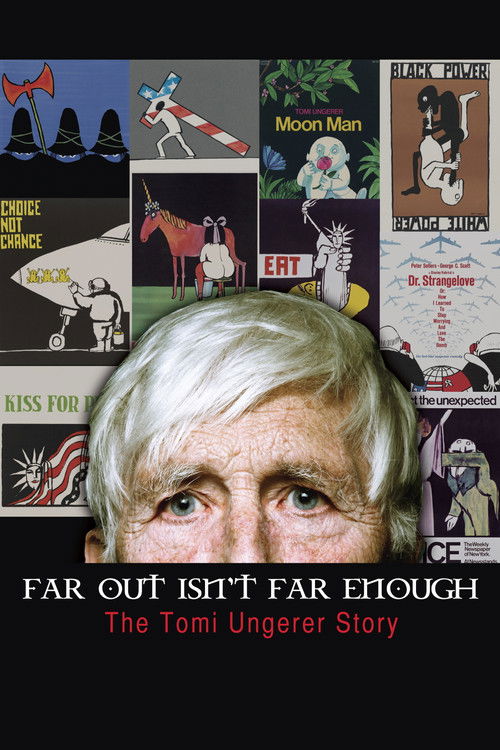
2012
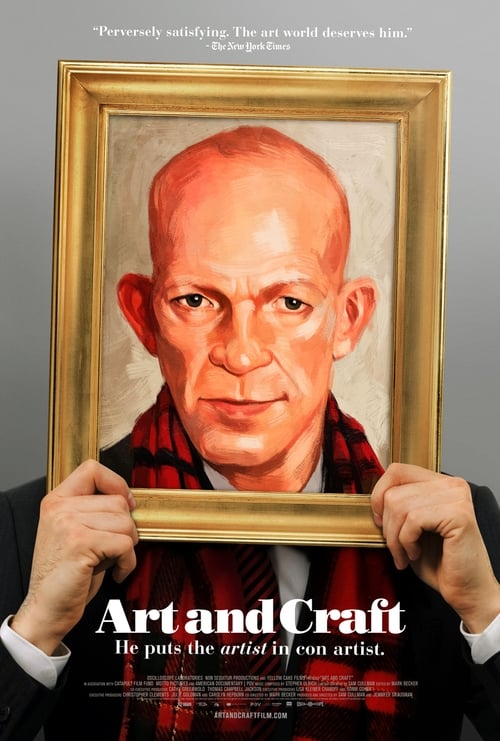
2014
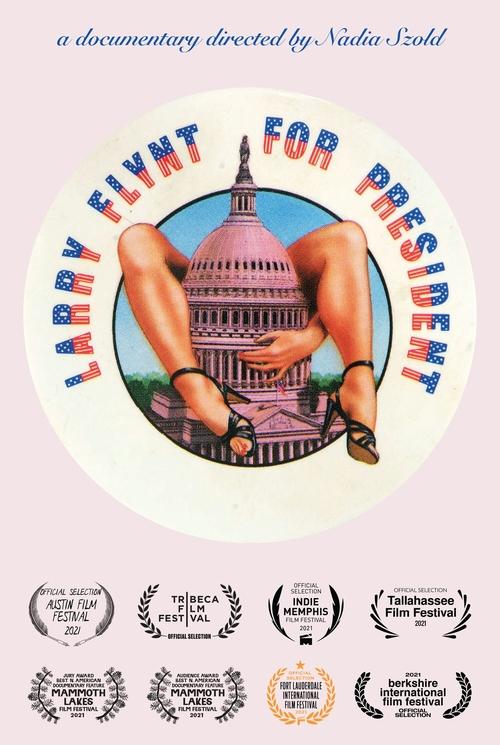
2021
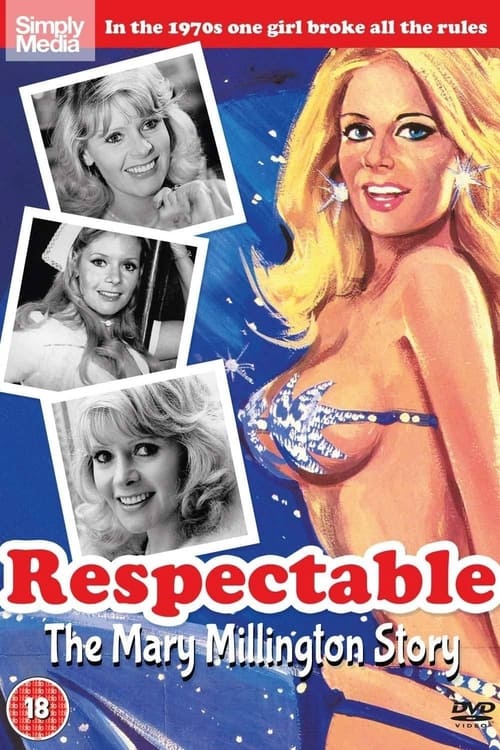
2016
2005
No reviews yet. Be the first to share your thoughts on this movie!
Use the rating form above to leave a star rating and optional review.