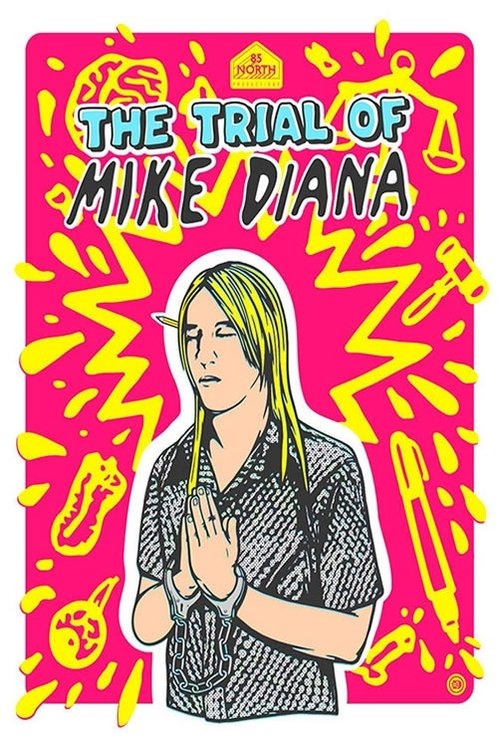
Boiled Angels: The Trial of Mike Diana
2018
No user ratings available yet
Representation score: 6.2 out of 10
No Poster Available
Representation Score
Fair
1992
Director
Paul Yule
Runtime
68 minutes
Average Rating
No ratings yetNew Showbiz Analysis
Damned in the U.S.A. serves as a critical look at institutional censorship and the pressures exerted by political entities on the arts. It focuses on the conflict between the National Endowment for the Arts and conservative legislative movements. The film’s strength lies in its structural critique of how power tries to shape social morality. By documenting the resistance to censorship, it offers a framework for understanding the suppression of non-traditional viewpoints. However, the documentary lacks specific character arcs that highlight individual identity-based experiences. The focus remains largely on the political and institutional battles rather than diverse personal perspectives.
Category Breakdown
The film explores the era's culture wars and the exclusion of queer visibility. It highlights how unconventional expressions faced criticism during the National Endowment for the Arts controversies.
The documentary looks at how institutional morality upholds traditional gender roles. It examines the ways institutions suppress art that challenges conventional ideas of femininity or masculinity.
The narrative centers on the American political landscape and obscenity laws. Although these laws have historically affected minority creators, the main focus is on the legislative battles.
The film criticizes traditional Western institutions trying to enforce a single, conservative morality. It portrays artistic freedom as a challenge to state-imposed cultural norms.
There is no information available regarding the representation of neurodivergence or physical disabilities in this documentary.
Present on Screen
Limited or Absent
Official Synopsis
A 1992 documentary about the push by congress and non-profit organizations to censor art in the United States, focused heavily on the perceived endorsement of pornography and obscenity in art by the National Endowment for the Arts.
2018
2019
2010
2022
2014
2005
2006
2006
No reviews yet. Be the first to share your thoughts on this movie!
Use the rating form above to leave a star rating and optional review.