
The Haunting of Mia Moss
2017
No user ratings available yet
Representation score: 2.4 out of 10
Representation Score
Fair
2023
Director
Emanuele Scaringi
Runtime
105 minutes
Average Rating
No ratings yetNew Showbiz Analysis
Pantafa successfully subverts typical horror clichés by highlighting maternal ability to act and neurodivergent experiences. By integrating Nina's sleep disorder into the narrative, the film addresses disability as a fundamental part of her character rather than a mere plot device. The film also redefines the traditional rural setting, turning it into a source of psychological terror instead of a peaceful sanctuary. However, the story's impact is somewhat limited due to a lack of visible diversity in other areas. There is no information available about racial or LGBTQ+ representation, which confines the narrative to a narrower demographic focus.
Category Breakdown
The story focuses on a maternal bond between Marta and Nina. Although there are no explicit mentions of LGBTQ+ identities, the single-mother dynamic moves away from traditional family structures.
Marta is portrayed as a resilient protagonist and primary decision-maker. The film avoids the damsel-in-distress cliché by emphasizing her role and survival in a challenging environment.
There is no information available regarding the ethnic or racial composition of the cast or the village setting.
The film challenges the idyllic view of mountain life. Instead of a peaceful sanctuary, the rural setting of Malanotte is depicted as an isolating and ominous place filled with dread.
Nina’s sleep disorder is shown as part of her everyday life rather than just a scare tactic. This offers a deeper look at the physiological challenges she faces.
Present on Screen
Limited or Absent
Official Synopsis
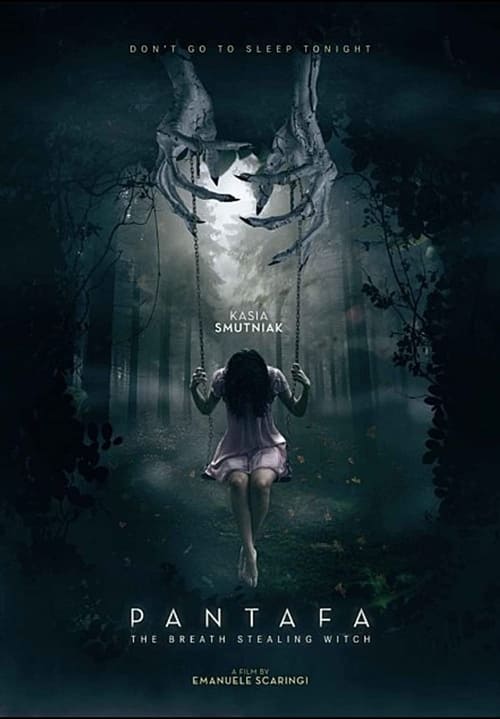
Marta and her daughter Nina move to Malanotte, a small mountain village. The little girl has been suffering from hypnagogic paralysis for some time, a sleep disorder which can lead to hallucinatory states, and Marta thought that a bit of mountain air and distance from the frenetic rhythm of city life might benefit the little girl. However, the house they move into is anything but welcoming, and children are never seen playing in the streets of Malanotte. Nina’s symptoms begin to worsen from the very first night in the new house, and the little girl has more and more vivid nightmares in which a ghostly figure sits on her chest, immobilises her and steals her breath. For Marta, a single mother in a place she finds increasingly sinister, it will become harder every day to know what is best for her child.
2017
2002

2022
2019
2020
2023
2019
2017
No reviews yet. Be the first to share your thoughts on this movie!
Use the rating form above to leave a star rating and optional review.