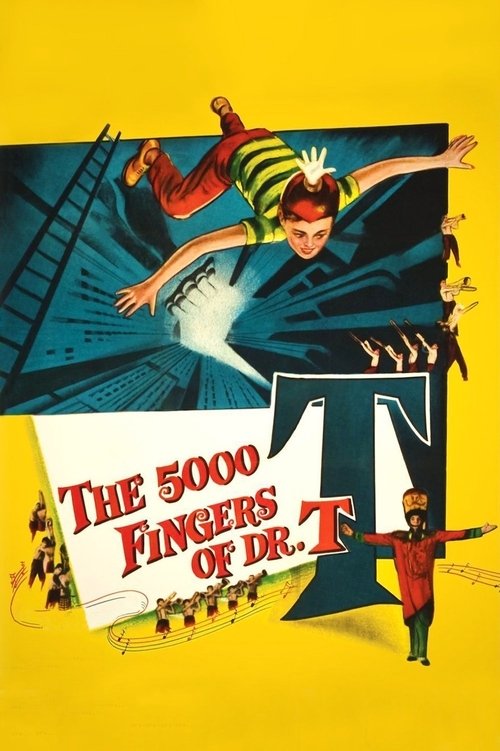
Thumbelina
1970
No user ratings available yet
Representation score: 3.4 out of 10
Representation Score
Limited
1953
GDirector
Roy Rowland
Runtime
89 minutes
Average Rating
No ratings yetNew Showbiz Analysis
The film is a product of its era, prioritizing stylized, surrealist fantasy over social or demographic representation. It operates within the standard Hollywood framework of the 1950s, focusing on escapist themes rather than systemic critique. While the narrative offers a sophisticated psychological exploration of childhood imagination and individual tyranny, it lacks multi-layered depth. Characters and settings reflect the demographic homogeneity typical of mid-century studio productions. Ultimately, the work remains anchored in traditional social norms, offering little in the way of diverse casting or modern progressive metrics.
Category Breakdown
The film does not include any LGBTQ+ characters or non-cisgender identities. It follows the traditional heterosexual norms of the 1950s.
Gender roles are traditional. The protagonist battles an oppressive male figure, while female characters like Heloise are passive and easily influenced by the antagonist.
The cast and setting are predominantly white, reflecting the demographic uniformity of the 1950s. August Zabladowski introduces a minor ethnic presence within a largely homogeneous framework.
The film critiques authoritarianism through a surreal portrayal of Dr. Terwilliker. However, this remains a psychological fantasy rather than a critique of institutions.
There is no portrayal of visible or invisible disabilities. The focus remains on fantastical elements of childhood imagination.
Present on Screen
Limited or Absent
Official Synopsis
Young Bart Collins lives with his widowed mother Heloise. The major blight on Bart's existence is the hated piano lessons he is forced to endure under the tutelage of the autocratic Dr. Terwilliker. Bart feels that his mother has fallen under Terwilliker's sinister influence, and gripes to visiting plumber August Zabladowski, without much result. While grimly hammering away at his lessons, Bart dozes off and enters a fantastical musical dream.
1970
1974
1987
1937
1975
1961
1986
1999
No reviews yet. Be the first to share your thoughts on this movie!
Use the rating form above to leave a star rating and optional review.