Bull Fright
1955
No user ratings available yet
Diversity score: 3.0 out of 10
1956
ApprovedDirector
Seymour Kneitel
Runtime
6 minutes
Average Rating
No ratings yetSynopsis
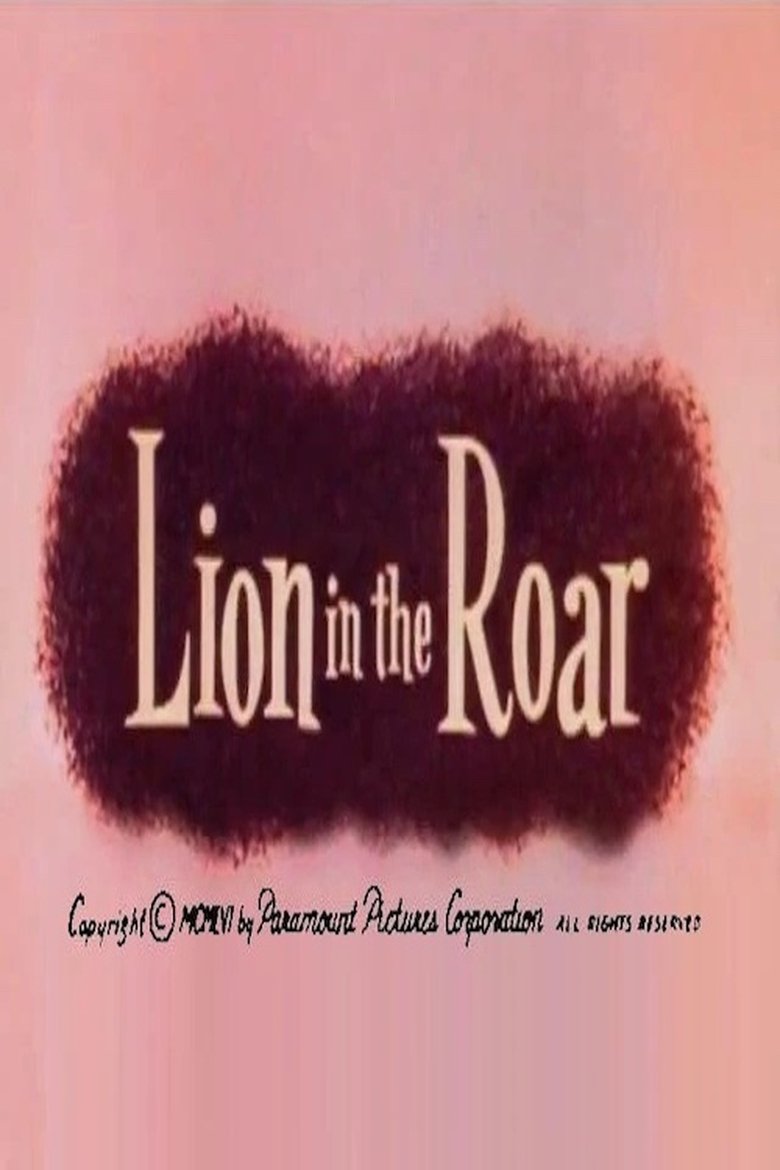
In the African jungle, King Louis, is telling his son, the future King Louie, that someday he will inherit the throne of the King of the Jungle, and he must act accordingly. But young Louie's posturing and combined with his weak roar and small stature fails to impress the denizens of the jungle, and they all laugh at him. A huge gorilla appears and they quit laughing and scurry away while the gorilla attacks Louie's father. Will Louie save the day?
Overall Score
Limited
Category Breakdown
LGBTQ+ Representation
The film focuses on a traditional patriarchal lineage between a father and son. There are no depictions of non-cisnormative identities or same-sex intimacy.
Gender Representation
The story centers on a masculine hierarchy and the transition of power. It emphasizes traditional masculine archetypes like strength and leadership without female agency.
Racial & Ethnic Diversity
While set in an African jungle, the characters are anthropomorphized animals. The narrative follows a standard fable structure without clear racial allegories.
Religious & Cultural Diversity
The film reinforces a 'might makes right' moral framework. It upholds conventional notions of hereditary succession and the stability of a monarchical social order.
Disability Representation
The protagonist's small stature and weak roar are presented as developmental youth traits. There is no evidence of permanent physical or neurodivergent disabilities.
Strengths
Areas for Improvement
AI Analysis
Lion in the Roar is a mid-century animation that adheres strictly to the social and narrative conventions of its era. The plot revolves around a father preparing his son for kingship, a structure that reinforces traditional patriarchal hierarchies and hereditary power. The film relies on classic tropes of physical dominance and strength to define leadership. Because the characters are animals in a jungle setting, the narrative avoids complex social or cultural critiques, opting instead for a standard hero's journey focused on duty and authority. Ultimately, the work offers very little disruption to established social norms. It functions as a traditional fable that prioritizes masculine archetypes and conventional social orders over diverse or subversive representation.
1955
1953
1942
1950
1954
1956

1940
1952
1948
1950
1953
1952
No reviews yet. Be the first to share your thoughts on this movie!
Use the rating form above to leave a star rating and optional review.