
Glauber Rocha - The Movie, Brazil's Labyrinth
2003
No user ratings available yet
Representation score: 6.0 out of 10
Representation Score
Limited
1959
Director
Joaquim Pedro de Andrade
Runtime
10 minutes
Average Rating
No ratings yetNew Showbiz Analysis
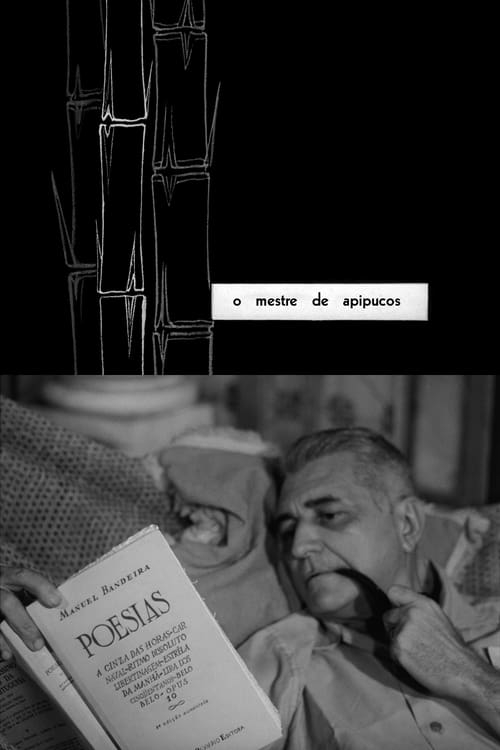
The film primarily serves as a study of intellectual authority, focusing on the life of sociologist Gilberto Freyre. Although it does not explicitly represent underrepresented identities, its subject matter delves into the complexities of Brazilian social structures and racial mixing. Directed by a key figure in the Cinema Novo movement, the film employs a narrative structure aimed at social critique. However, the focus remains heavily on a single male intellectual, limiting the exploration of gender and identity issues. Overall, the documentary navigates a transitional space. It shifts away from Western hegemony through its localized sociological investigation, even though it does not offer detailed representations of diverse character identities.
Category Breakdown
The documentary focuses on a male intellectual and does not include any explicit LGBTQ+ narratives or non-cisgender identities.
The film centers around a single male intellectual figure and does not feature female characters driving the plot or challenging traditional patriarchal roles.
Set in Pernambuco, Brazil, the film explores the work of sociologist Gilberto Freyre, who studied racial mixing in Brazil. This provides a basis for discussing ethnic and social structures.
The film addresses Brazilian identity and social hierarchies, offering a localized perspective that moves away from Western-centric narratives.
There is no evidence of the portrayal of physical or neurodivergent disabilities in this documentary.
Present on Screen
Limited or Absent
Official Synopsis
Documentary about influential Brazilian sociologist Gilberto Freyre, made in his country house in Apipucos, Pernambuco (Northeast Brazil).
2003

2017

1969

1991

1967

2019

1977

1964
No reviews yet. Be the first to share your thoughts on this movie!
Use the rating form above to leave a star rating and optional review.