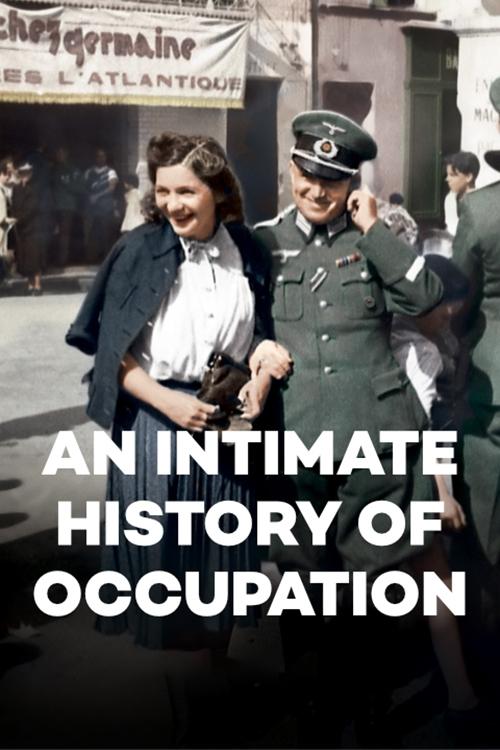
An Intimate History of Occupation
2011
No user ratings available yet
Diversity score: 4.9 out of 10
2015
Director
Peter Molloy
Runtime
60 minutes
Average Rating
No ratings yetSynopsis
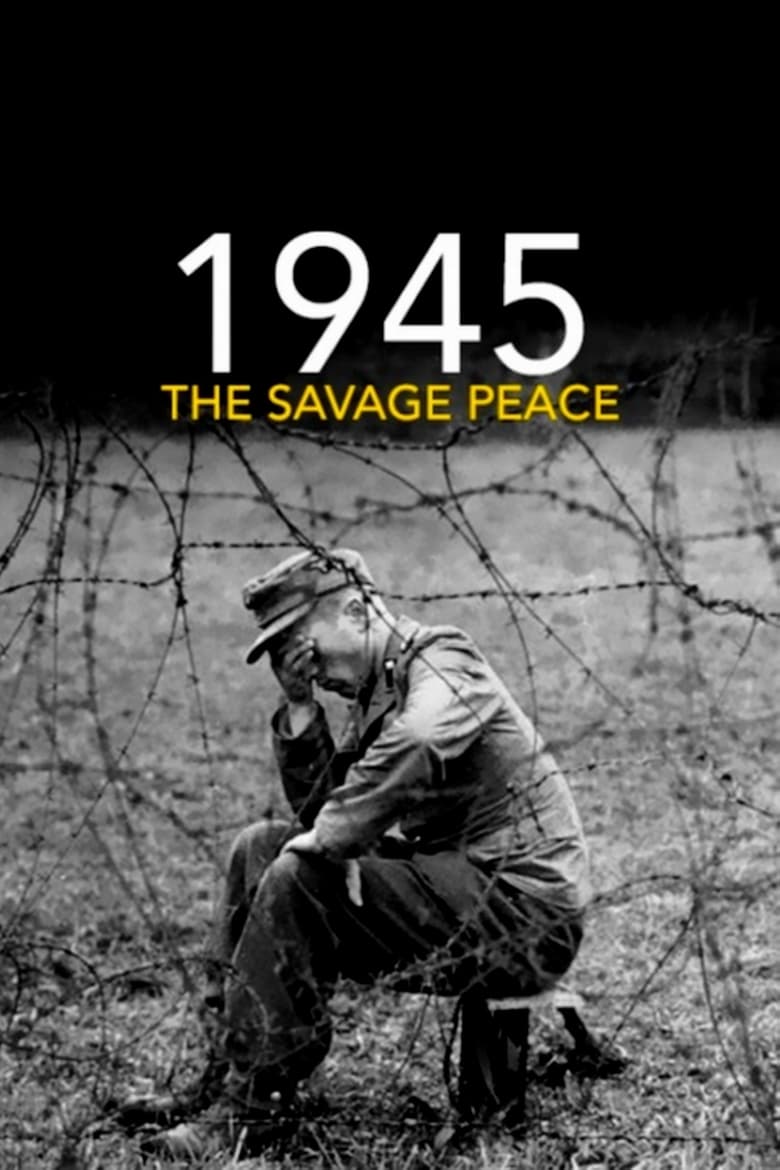
How, in 1945, after the end of World War II and the fall of the Nazi regime, the defeated were atrociously mistreated, especially those ethnic Germans who had lived peacefully for centuries in Germany's neighboring countries, such as Czechoslovakia and Poland. A heartbreaking story of revenge against innocent civilians, the story of acts as cruel as the Nazi occupation during the war years.
Overall Score
Good
Category Breakdown
LGBTQ+ Representation
The documentary focuses on ethnic cleansing and the displacement of German populations. There is no explicit mention of queer identities or LGBTQ+ narratives within this historical context.
Gender Representation
The film centers on the revenge taken against innocent civilians. While it does not specify gendered roles, it likely touches upon the domestic impacts of war on women and children.
Racial & Ethnic Diversity
The film disrupts standard post-war narratives by focusing on ethnic German minorities in Czechoslovakia and Poland. It highlights the victimization of groups often sidelined in traditional historical accounts.
Religious & Cultural Diversity
The narrative critiques the traditional Allied triumph by juxtaposing Nazi atrocities with the subsequent acts of revenge. This presents a complex, situational ethical landscape regarding post-war justice.
Disability Representation
There is no specific information regarding the portrayal of physical or neurodivergent disabilities in this work.
Strengths
Areas for Improvement
AI Analysis
The film provides a significant departure from standard World War II histories by centering on the 'defeated' and the ethnic minorities caught in the crossfire of post-war retribution. By shifting the lens toward the suffering of German civilians in neighboring countries, it challenges the simplistic binary of aggressor versus victim. However, the documentary's scope is narrow, focusing almost exclusively on ethnic and national identity. This specialization results in a lack of representation for LGBTQ+ identities and specific gendered character arcs, which limits its broader social diversity. Ultimately, the work succeeds as a piece of historical revisionism. It moves beyond celebratory victory narratives to explore the darker, more complex intersections of systemic vengeance and the collapse of social order.
No reviews yet. Be the first to share your thoughts on this movie!
Use the rating form above to leave a star rating and optional review.