
Lift
2001
No user ratings available yet
Representation score: 6.3 out of 10
Representation Score
Excellent
2001
Director
Cheryl Dunye
Runtime
97 minutes
Average Rating
No ratings yetNew Showbiz Analysis
Stranger Inside is a sophisticated deconstruction of crime clichés that replaces spectacle with a nuanced study of survival. It succeeds by centering Black women's lived experiences within the carceral system, moving beyond the traditional male-dominated gaze of prison cinema. The film's strength lies in its multi-layered approach, utilizing an all-Black female cast and crew to provide authentic ability to act. It replaces Western social hierarchies with complex, female-driven social orders and chosen family structures. While the film excels in racial and queer representation, it offers less explicit focus on physical or neurodivergent disabilities. Instead, it explores the mental health implications of systemic trauma through the characters' lived experiences.
Category Breakdown
The film centers on Black lesbian identities, integrating these orientations into the core social and emotional landscapes rather than treating them as secondary plots.
By emphasizing women's ability to drive the story within a prison setting, the film challenges traditional male-centric violence clichés. It highlights a matriarchal structure of leadership and protection through the mentorship between Brownie and Treasure.
The production features an all-Black female cast and crew, providing a deeply multi-layered perspective. This approach prioritizes Black ability to act and presents characters defined by the intersection of race, gender, and class.
The narrative critiques Western institutional structures by portraying the carceral system as a site of systemic oppression. It prioritizes unconventional kinship ties and chosen families over traditional nuclear family models.
Specific depictions of physical or neurodivergent disabilities are not central to the main plot. However, the psychological toll of incarceration and systemic trauma serves as a significant implicit subtext.
Present on Screen
Limited or Absent
Official Synopsis
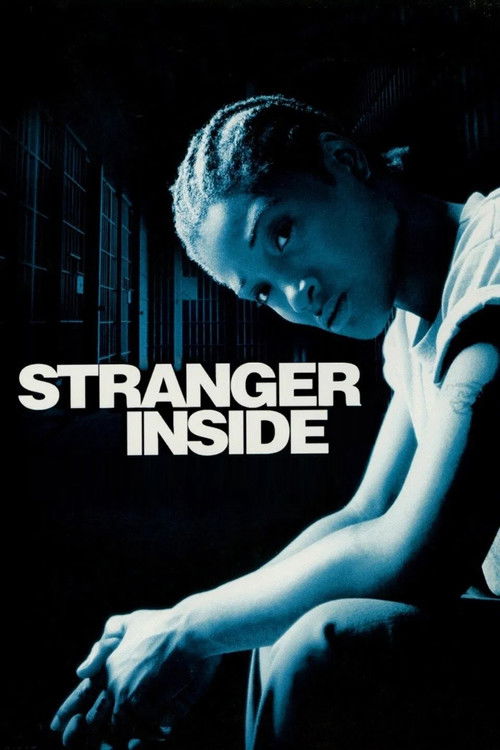
After a stint in a juvenile detention center, Treasure is transferred to an adult prison where her mother, whom she has never met, is also imprisoned. Before long, Treasure encounters Brownie, a lifer and gang leader. Brownie reveals that she is Treasure's mother, and takes the girl under her wing, protecting her from the dangers of hardcore prison life. But some women in Brownie's gang resent Treasure's presence, leading to violent conflict.
2001

1992

1994

1980

1988

2010

2002

2006
No reviews yet. Be the first to share your thoughts on this movie!
Use the rating form above to leave a star rating and optional review.