
Prison on Fire II
1991
No user ratings available yet
Diversity score: 5.4 out of 10
2002
RDirector
Neema Barnette
Runtime
95 minutes
Average Rating
No ratings yetSynopsis
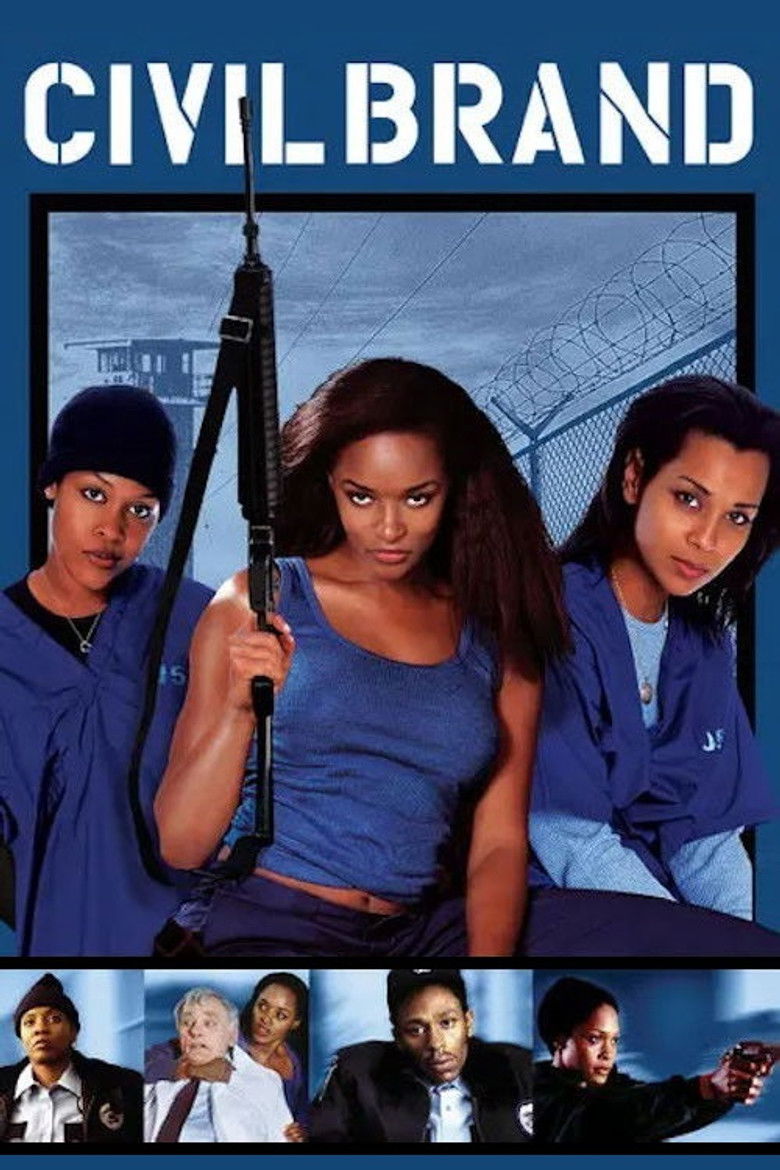
Forced to work under slave-like conditions in a "prison for profit" program, the inmates of a mostly-African-American female prison, Whitehead Correctional, try to take over the institution.
Overall Score
Good
Category Breakdown
LGBTQ+ Representation
The narrative focuses on race, gender, and the carceral state. There is no evidence of explicit LGBTQ+ identities or non-heteronormative romantic arcs within the story.
Gender Representation
The film centers a female-led narrative, prioritizing female intellect and collective strength. Characters transition from victims to active agents, subverting tropes of women as secondary figures in crime dramas.
Racial & Ethnic Diversity
The film excels by utilizing a predominantly Black cast to critique the legal system. It avoids white savior tropes, treating characters as complex individuals fighting systemic bias.
Religious & Cultural Diversity
The story critiques the intersection of capitalism and state authority. It challenges traditional institutional morality by framing the prison system as an inherently oppressive, profit-driven entity.
Disability Representation
The film touches on the psychological toll of incarceration. However, there is limited evidence of agency-driven portrayals regarding neurodivergence or physical disability.
Strengths
Areas for Improvement
AI Analysis
Civil Brand is a powerful critique of the prison-industrial complex, driven by its intentional focus on the Black female experience. The film succeeds by centering racial agency and subverting traditional gender hierarchies, presenting women as the primary drivers of the plot rather than secondary characters. While the film is a robust example of progressive storytelling regarding systemic inequality, its thematic scope is narrow. It lacks explicit representation for LGBTQ+ identities and specific disability-driven narratives, which moderates its overall impact. Ultimately, the work stands out for its refusal to rely on white savior tropes, instead offering a complex look at how marginalized groups navigate and disrupt oppressive institutional frameworks.
1991

2011
1994
1969

1970

1983

1993
No reviews yet. Be the first to share your thoughts on this movie!
Use the rating form above to leave a star rating and optional review.