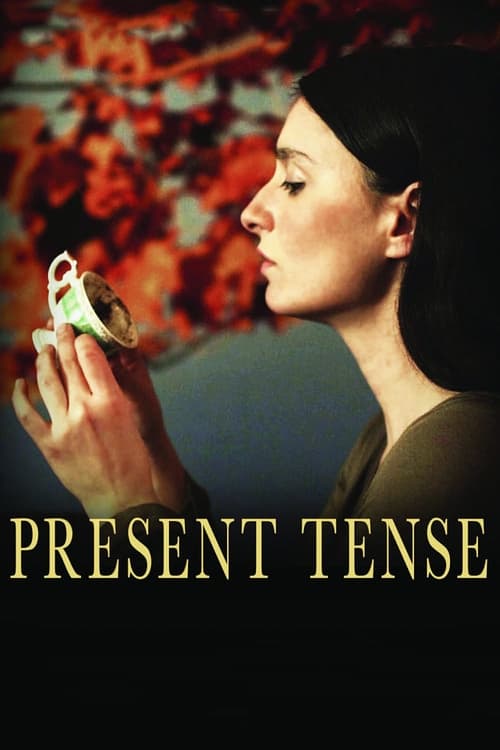
Present Tense
2012
No user ratings available yet
Representation score: 5.7 out of 10
No Poster Available
Representation Score
Fair
2009
TV-PGDirector
Paolo Herras
Average Rating
No ratings yetNew Showbiz Analysis
The film offers a meaningful exploration of women's ability to drive the story by centering a woman reclaiming a underrepresented identity to combat systemic exploitation. It successfully challenges clichés of passive victimhood through Messina's journey. However, the narrative lacks explicit data regarding LGBTQ+ representation or specific racial the way different parts of someone's identity overlap. The focus is primarily on subverting localized power dynamics and critiquing predatory institutions. Ultimately, the film provides a moderately progressive framework by repositioning a stigmatized gift as a tool for maternal survival and ability to act.
Category Breakdown
The film does not explicitly depict LGBTQ+ characters or non-cisgender identities. The story focuses on maternal and generational lineages.
The story prioritizes women's ability to drive the narrative, with central conflicts driven by women like Messina and Claire. It places women in positions of both systemic power and transformative action.
Specific ethnic identifiers are not detailed, though the setting suggests a localized, non-Western cultural framework. The narrative explores communal dynamics within a specific cultural context.
The film explores the corruption of local institutions and traditional social structures. It uses a fatalistic approach to destiny, prioritizing situational ethics over standardized moral codes.
The protagonist's psychic gift functions as a metaphor for sensory differences that set her apart from others. It is unclear if this portrayal provides a nuanced view of neurodivergence.
Present on Screen
Limited or Absent
Official Synopsis
Messina, an outcast and failed fortuneteller returns to her hometown to save her daughter Claire from a syndicate that aims to exploit her gift of fortune telling. When Messina returns, she finds her daughter caught in debt and the squabble of a petty syndicate running a band of fortunetellers for the unwary, desperate answer-seekers. For years, their hometown has been grooming one great fortuneteller just as they had hailed Dorothea as the town's leader. Dorothea is the grandmother of Claire who appears in her dreams. A helpful fortuneteller named Rachel teaches Messina that the only way to save her daughter is to embrace a gift she has vowed to give up, the ability to see the future no matter how bleak and inescapable.
2012
2013
2003
2004
2025
2000

2013

2012
No reviews yet. Be the first to share your thoughts on this movie!
Use the rating form above to leave a star rating and optional review.