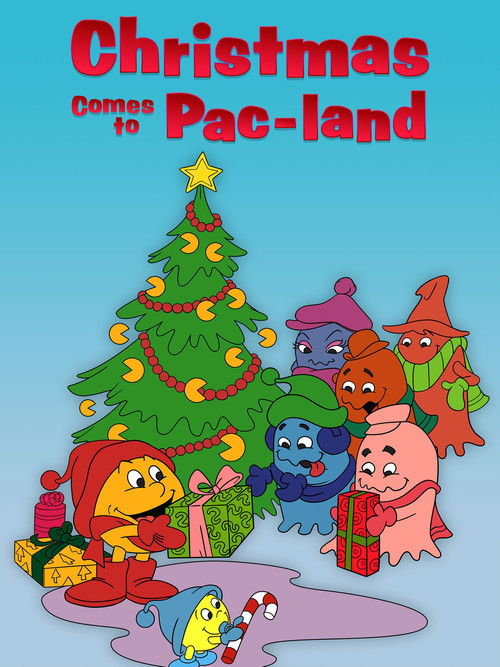
Christmas Comes to Pac-land
1982
No user ratings available yet
Representation score: 2.5 out of 10
Representation Score
Limited
1962
NRDirector
Abe Levitow
Runtime
52 minutes
Average Rating
No ratings yetNew Showbiz Analysis
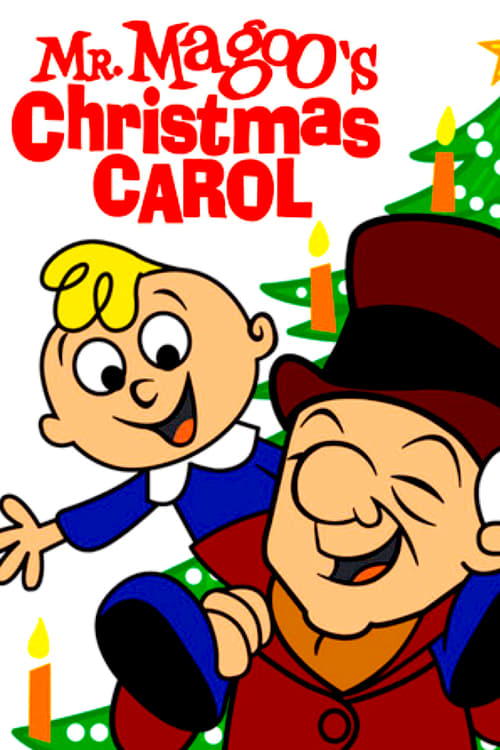
This adaptation of Dickens' classic is a traditional production that adheres closely to the social and narrative conventions of the 1960s. It functions as a standard moral fable, prioritizing a spiritual resolution to the protagonist's isolation. The film lacks complexity or intentional disruption of traditional hierarchies. While it engages with themes of wealth and class, it does so through a conventional framework of character redemption. Ultimately, the work reflects the era's limitations, offering a predictable narrative that avoids modern progressive subversions.
Category Breakdown
The film follows a strictly straight-focused framework. There are no depictions of LGBTQ+ identities or hints within the character arcs.
Gender dynamics stay within conventional boundaries. Female characters occupy supporting roles that reinforce the social structures of the period.
The production features a largely homogeneous cast. This aligns with the Victorian London setting and the social constraints of the era.
The story critiques socioeconomic disparity through a moralistic lens. It focuses on individual redemption rather than a systemic critique of capitalism.
The protagonist's visual impairment drives the plot. However, it functions primarily as a comedic engine rather than a nuanced exploration of the character's role.
Present on Screen
Limited or Absent
Official Synopsis
In this animated musical version of Charles Dickens' "A Christmas Carol", Ebenezer Scrooge - via Mr. Magoo's starring performance in a stage production of the classic - doesn't have a ghost of a chance unless he learns the true meaning of Christmas from the three spirits who haunt him one Christmas Eve.
1982
1938
1980
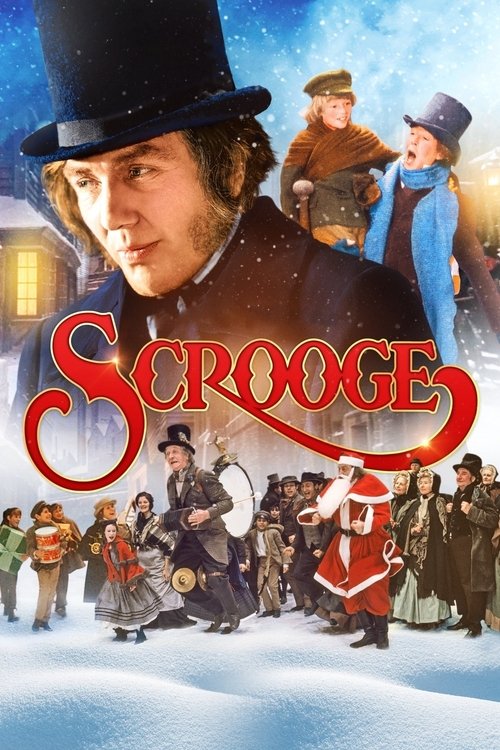
1970
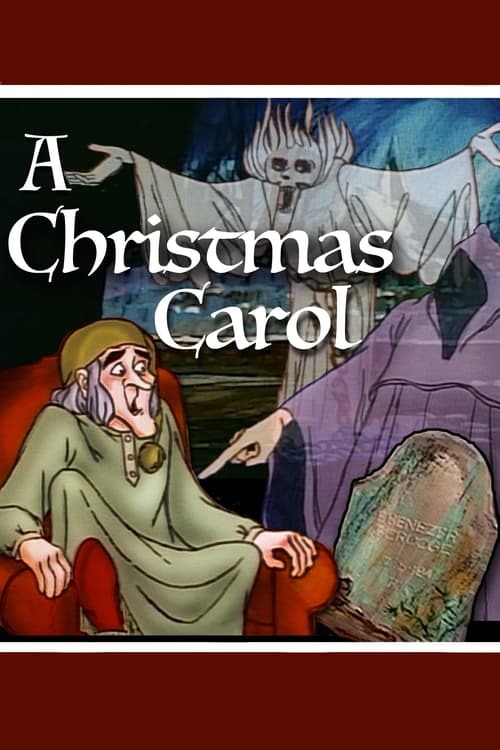
1969
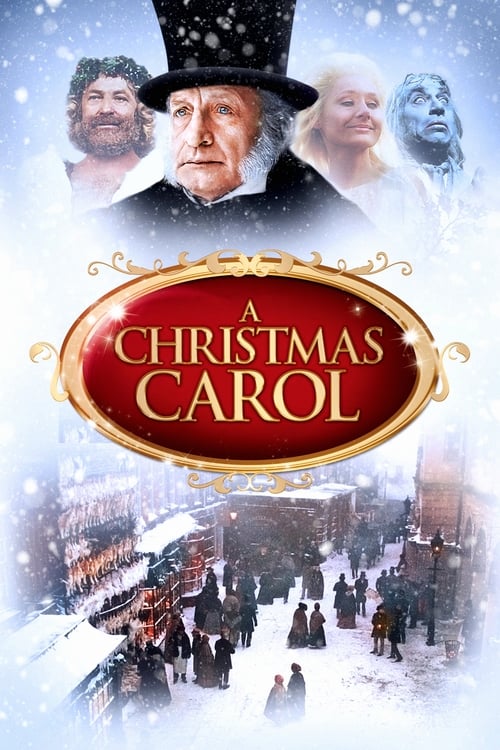
1984
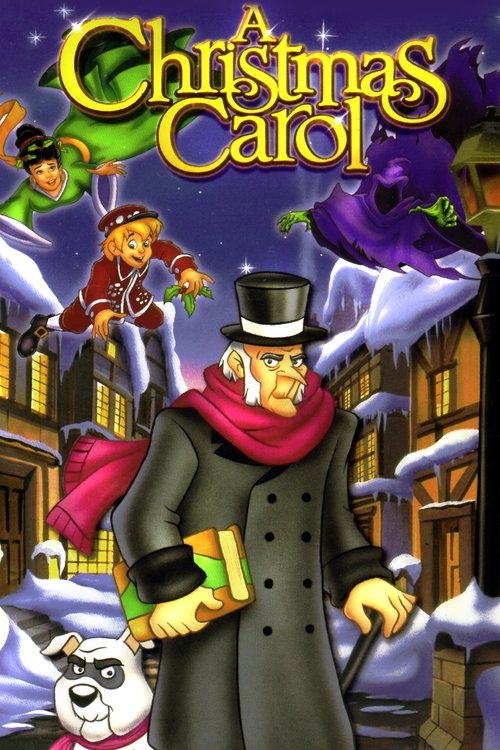
1997
1974
No reviews yet. Be the first to share your thoughts on this movie!
Use the rating form above to leave a star rating and optional review.