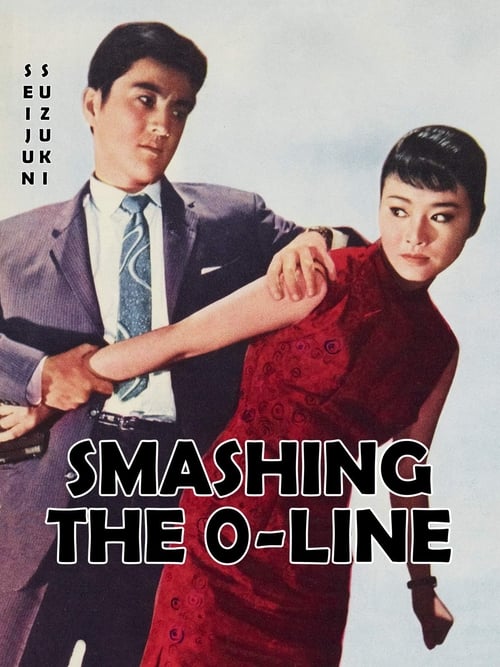
Smashing the 0-Line
1960
No user ratings available yet
Diversity score: 5.5 out of 10

1970
Director
Kōji Wakamatsu
Runtime
65 minutes
Average Rating
No ratings yetSynopsis
A salesman is looking in the city of Tokyo for his lost son. But he becomes increasingly angry at the young and radical hippies, who are not the least helpful.
Overall Score
Fair
Category Breakdown
LGBTQ+ Representation
The film engages with non-normative sexualities through the lens of sexual transgression. While it lacks explicit queer character arcs, it disrupts heteronormative domesticity.
Gender Representation
Traditional patriarchal hierarchies are dismantled in favor of individualistic sexual agency. The narrative subverts conventional masculine roles and familial duties through its chaotic youth subculture.
Racial & Ethnic Diversity
The story functions as a localized study of Japanese urban alienation. It lacks multicultural casting, focusing instead on socioeconomic and generational divides within a homogeneous setting.
Religious & Cultural Diversity
The film offers a sharp critique of Western-aligned capitalist structures and traditional institutions. It frames radicalism as a legitimate response to systemic disillusionment and social oppression.
Disability Representation
The narrative prioritizes psychological alienation and socioeconomic marginalization over disability. There is no clear evidence of characters with physical or neurodivergent traits.
Strengths
Areas for Improvement
AI Analysis
Shinjuku Mad is a visceral critique of post-war Japanese societal structures. It uses the friction between traditionalist values and radical youth subcultures to deconstruct the era's promised domestic stability. The film excels at systemic critique, framing the protagonist's search for family as a collision with a world that rejects outdated social orders. While the film succeeds in subverting gendered leadership and traditional institutions, it remains demographically narrow. The focus on a homogeneous Japanese urban landscape limits its racial and intersectional breadth. Additionally, the narrative lacks specific representation for disability or explicit queer identities. Ultimately, the film's strength lies in its political subversion rather than demographic variety. It trades traditional character-driven diversity for a broader, more nihilistic exploration of social and cultural rebellion.
1960
1964

1964

1974
1968

1969

1969

1969
No reviews yet. Be the first to share your thoughts on this movie!
Use the rating form above to leave a star rating and optional review.