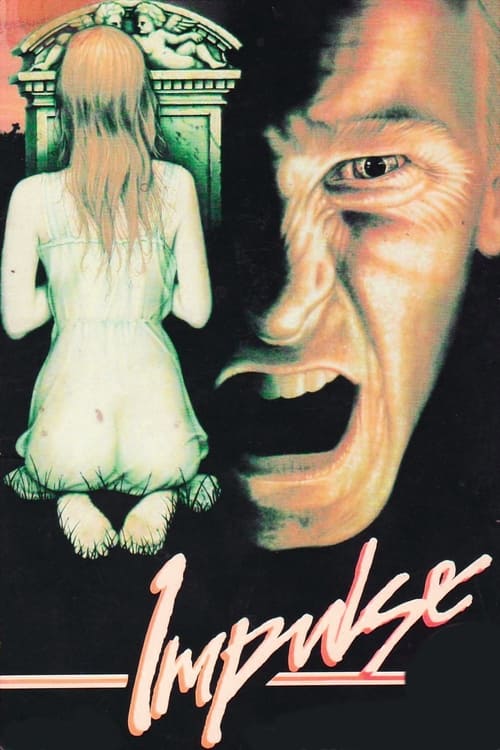
Impulse
1974
No user ratings available yet
Representation score: 1.4 out of 10

Representation Score
Minimal
1990
RDirector
Greydon Clark
Runtime
94 minutes
Average Rating
No ratings yetNew Showbiz Analysis
Out of Sight, Out of Mind operates as a standard psychological thriller of its time. The narrative structure relies on suspense clichés, particularly focusing on a mother's response to losing her child, rather than delving into complex social dynamics. While the film highlights a female protagonist, her character development adheres to traditional emotional archetypes. The 'Kabuki Killer' motif serves a stylistic horror function rather than providing meaningful cultural representation. Overall, the film adheres to conventional genre structures. It lacks the layered complexity or systemic critique needed to transcend the baseline standards of late-20th-century genre cinema.
Category Breakdown
The film does not include any characters with non-straight or non-cisgender identities. The story centers around a maternal figure and a single antagonist.
A female character holds a prominent role, but her storyline revolves around traditional emotional responses to trauma rather than challenging gender norms.
The 'Kabuki Killer' introduces an East Asian theme, but it serves as a horror cliché rather than offering a nuanced cultural portrayal.
The story unfolds within a typical Western thriller framework, focusing on individual psychological struggles without critiquing religious or institutional norms.
There is no information about the depiction of physical or neurodivergent disabilities in this film.
Present on Screen
Limited or Absent
Official Synopsis
A rich woman becomes paranoid after losing her daughter to a so-called Kabuki Killer.
1974
1977

1975
1987

1998
1979
1971
1980
No reviews yet. Be the first to share your thoughts on this movie!
Use the rating form above to leave a star rating and optional review.