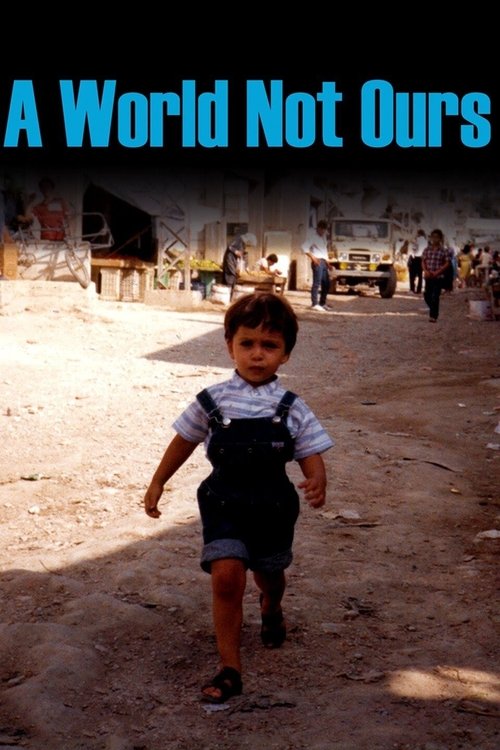
A World Not Ours
2014
No user ratings available yet
Representation score: 3.9 out of 10

Representation Score
Good
2016
Director
Mahdi Fleifel
Runtime
30 minutes
Average Rating
No ratings yetNew Showbiz Analysis
A Man Returned is a visceral documentary that avoids sanitized humanitarian clichés. It succeeds by centering specific Palestinian identities and providing a deep critique of systemic failures that trap refugees in cycles of violence and poverty. The film's strength lies in its refusal to present a homogenized view of displacement. By focusing on the psychological erosion caused by failed migration and addiction, it offers a complex, post-colonial perspective on survival. However, the narrative remains largely centered on a male protagonist and a heterosexual relationship. While it explores gendered experiences, the scope of representation is limited by the specific focus on the protagonist's personal struggle.
Category Breakdown
The film follows a heterosexual relationship focused on the protagonist's marriage. There are no representations of LGBTQ+ identities or non-assuming gender matches what was assigned at birth perspectives.
The narrative explores gendered survival within a conflict zone. While it centers on a male protagonist, it avoids clichéd portrayals of male invulnerability by highlighting the protagonist's psychological vulnerabilities.
The film excels by centering Palestinian and Syrian identities within a specific refugee camp. It avoids homogenized refugee clichés, offering a detailed, lived-experience perspective.
The story critiques global geopolitical structures and Western notions of stability. It frames the camp's internal strife as a rejection of failing international institutions.
Heroin addiction is portrayed as an invisible disability stemming from trauma. The film treats substance abuse as a consequence of displacement rather than a moral failing.
Present on Screen
Limited or Absent
Official Synopsis
Reda is 26 years old. His dreams of escaping the Palestinian refugee camp of Ain El-Helweh ended in failure after three years trapped in Greece. He returned with a heroin addiction to life in a camp being torn apart by internal strife and the encroachment of war from Syria. Against all odds, he decides to marry his childhood sweetheart; a love story, bittersweet as the camp itself.
2014
2016
2015
2011
2016
2019
2016
2021
No reviews yet. Be the first to share your thoughts on this movie!
Use the rating form above to leave a star rating and optional review.