
B.F.F.
2016
No user ratings available yet
Representation score: 3.6 out of 10
Representation Score
Fair
2026
Director
Molly Manners
Runtime
94 minutes
Average Rating
No ratings yetNew Showbiz Analysis
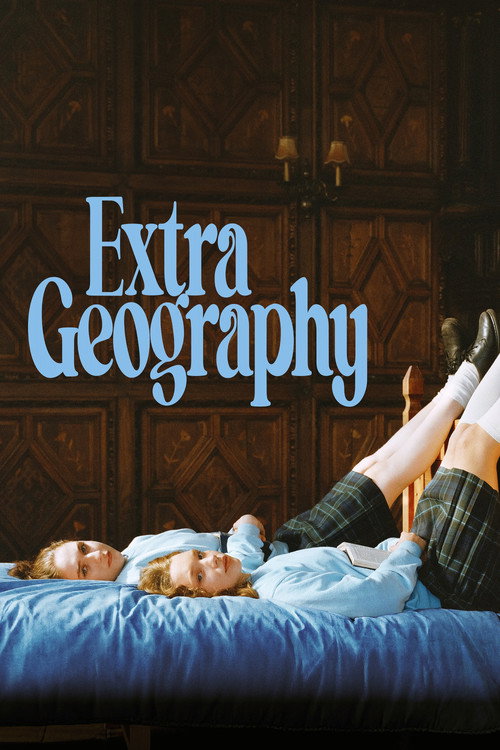
The film opens in the rigid, hallowed halls of a Northern English girls' boarding school, where the air is thick with the unspoken rules of class and gender. *Extra Geography* uses this insular world to stage a delicate experiment in desire: two fifteen-year-old best friends, Flic and Minna, decide to fall in love with their geography teacher, Rosalind Delavigne. This premise allows the film to treat same-sex attraction not as a deviation, but as a natural, almost scientific inquiry into the mechanics of girlhood. The camera lingers on the girls’ shared glances and the quiet intimacy of their hand-holding, framing their affection for Rosalind as a genuine, if misguided, emotional awakening. The narrative’s spine is the friction between Flic and Minna, a friendship frayed by envy and the sudden realization that their bond is not infinite. As Flic struggles with her minor role in the school’s production of *A Midsummer Night’s Dream*, her jealousy of Minna’s status and beauty becomes a proxy for her own insecurity. The film’s argument is that identity is formed through these painful, often clumsy negotiations with others. When the girls finally intrude upon Rosalind’s private space, the teacher’s resignation is not a punishment but a human reaction to being overwhelmed by the intensity of her students’ attention. The ending settles the moral verdict with a quiet pragmatism. Flic allows a boy to kiss her, a gesture that signals her reintegration into the expected social order of the school. Yet, this does not negate the validity of her earlier feelings for Rosalind; instead, it suggests that growing up involves holding multiple truths simultaneously. The film does not force a binary choice between heteronormative and queer identities, but rather presents both as part of the same continuous, evolving landscape of adolescent experience. In the final frame, the camera loves the ambiguity of the girls’ futures, leaving the audience with the sense that their geography is still largely uncharted.
Category Breakdown
Same-sex intimacy drives the plot, not a subplot. Flic and Minna compete for their teacher’s affection, sharing kisses that climax the story. The final boy-kiss acts as a pragmatic exit, not a dismissal of their bond.
Female competence and rivalry center the narrative, with boys as objects or obstacles. Flic’s jealousy over her tree role versus Minna’s Titania highlights their mutual measuring. The ending balances this by normalizing both romantic orientations without privileging one.
South Asian and mixed-race actresses reflect a realistic modern British boarding school demographic. However, these characters function largely as background peers or minor play cast. The primary emotional focus remains on the white leads and their teacher.
The British boarding school serves as a neutral backdrop for adolescent development. Authority figures like Miss Delavigne are portrayed as vulnerable, resigning after the girls’ intrusion. The setting critiques elite insularity only lightly, focusing instead on universal growing-up anxieties.
No characters with physical, sensory, or cognitive disabilities are depicted. The narrative focuses exclusively on the emotional and social development of able-bodied teenagers. Disability is absent from the cast, plot, and thematic concerns.
Present on Screen
Limited or Absent
Official Synopsis
In an English girls boarding school, two teenage best friends grapple with the challenges of girlhood — friendship, boys, studies, and growing up — and embark on their school project, falling in love.
2016
2020

2026
2008

2019
2026
2012
2020
No reviews yet. Be the first to share your thoughts on this movie!
Use the rating form above to leave a star rating and optional review.