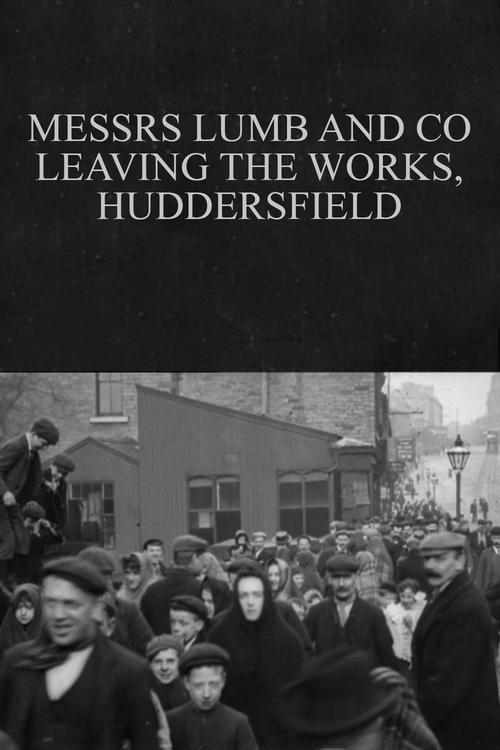
Messrs Lumb and Co Leaving the Works, Huddersfield
1900
No user ratings available yet
Representation score: 0.4 out of 10
Representation Score
Minimal
1901
Director
James Kenyon, Sagar Mitchell
Runtime
2 minutes
Average Rating
No ratings yetNew Showbiz Analysis
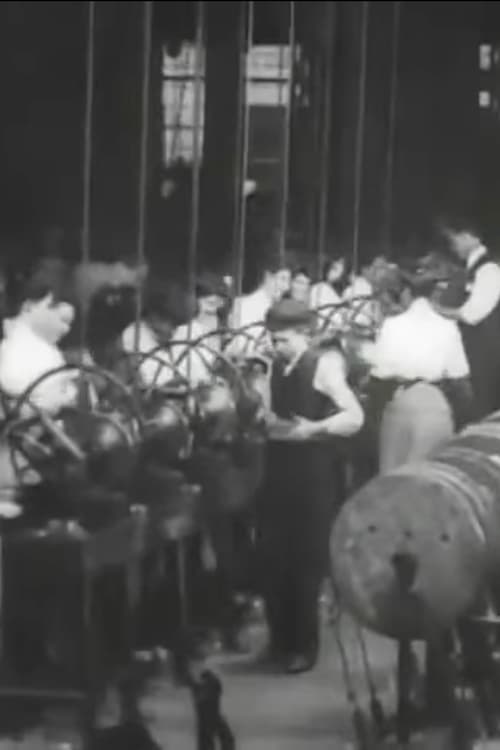
This archival documentary provides a raw, unscripted look at the Lancashire cotton industry at the turn of the century. It functions as a historical record of a specific labor class rather than a piece of intentional social commentary. The film reflects the demographic and social realities of 1901. It captures a homogeneous working-class population and traditional gendered labor divisions without attempting to challenge the established hierarchies of the era. Because it is a documentary of a specific moment in time, it lacks the modern characters who reflect more than one aspect of diversity or narrative depth found in contemporary works.
Category Breakdown
The footage serves as a candid observational record of industrial labor. There are no LGBTQ+ characters or non-binary gender expressions present in this historical snapshot.
Women are visible within the workforce, reflecting the historical reality of the Lancashire cotton industry. However, the film focuses on collective movement rather than highlighting individual women’s roles.
The footage depicts a largely homogeneous white working-class population. There is no visible evidence of racial or ethnic diversity among the workers shown.
The film acts as a neutral document of working-class life. It lacks a narrative framework to critique socio-economic systems or promote specific cultural ideologies.
The footage captures a mass movement of workers. There is insufficient evidence to determine the presence or portrayal of individuals with disabilities.
Present on Screen
Limited or Absent
Official Synopsis
A flood of Lancashire cotton workers and their children at the end of another shift.
1900

1977
1910
1901

1896
1904
1904

1896
No reviews yet. Be the first to share your thoughts on this movie!
Use the rating form above to leave a star rating and optional review.